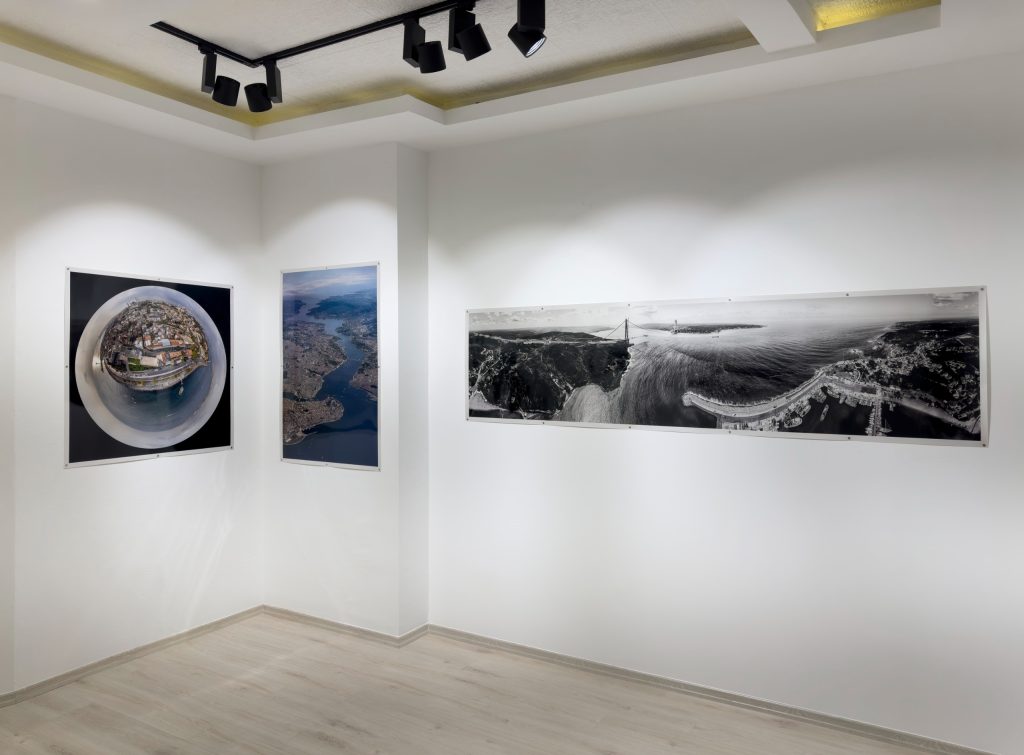
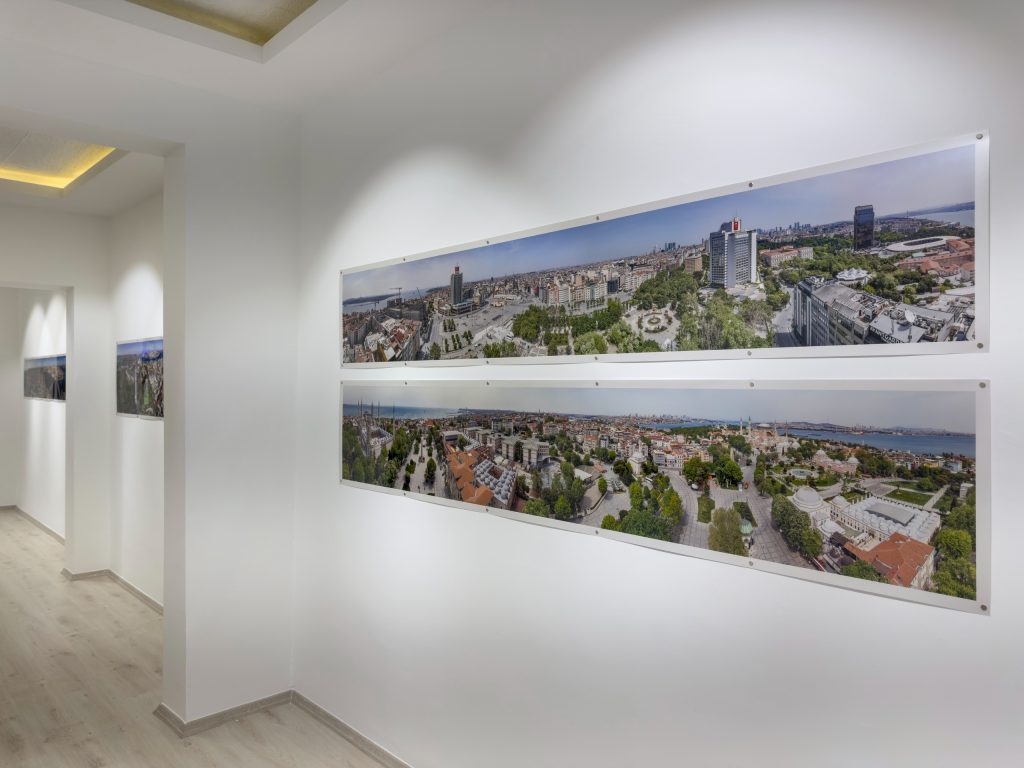
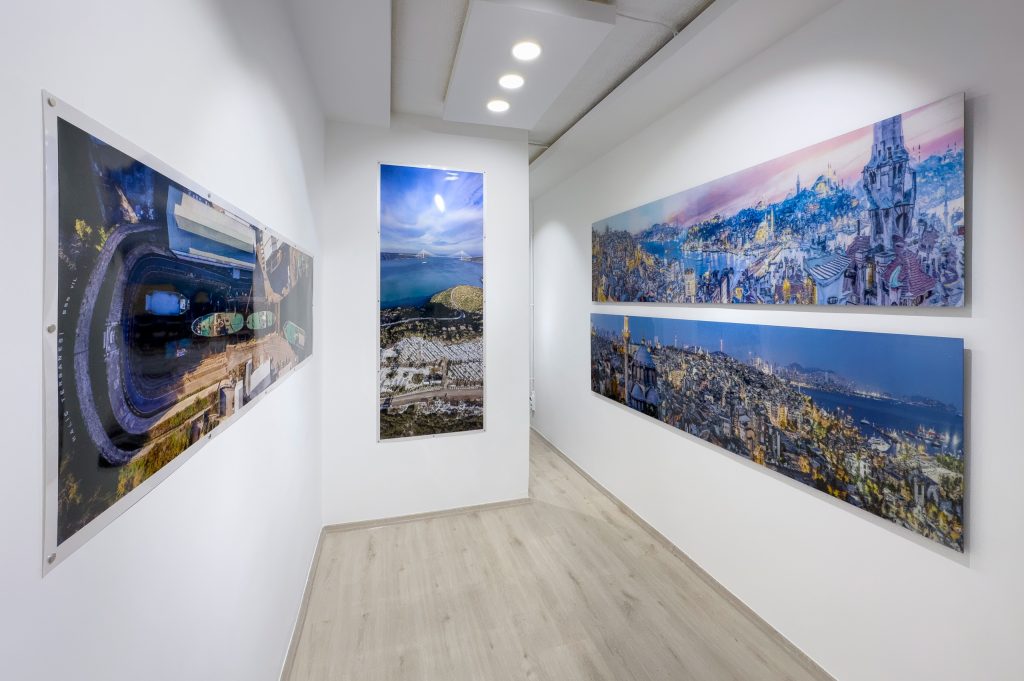
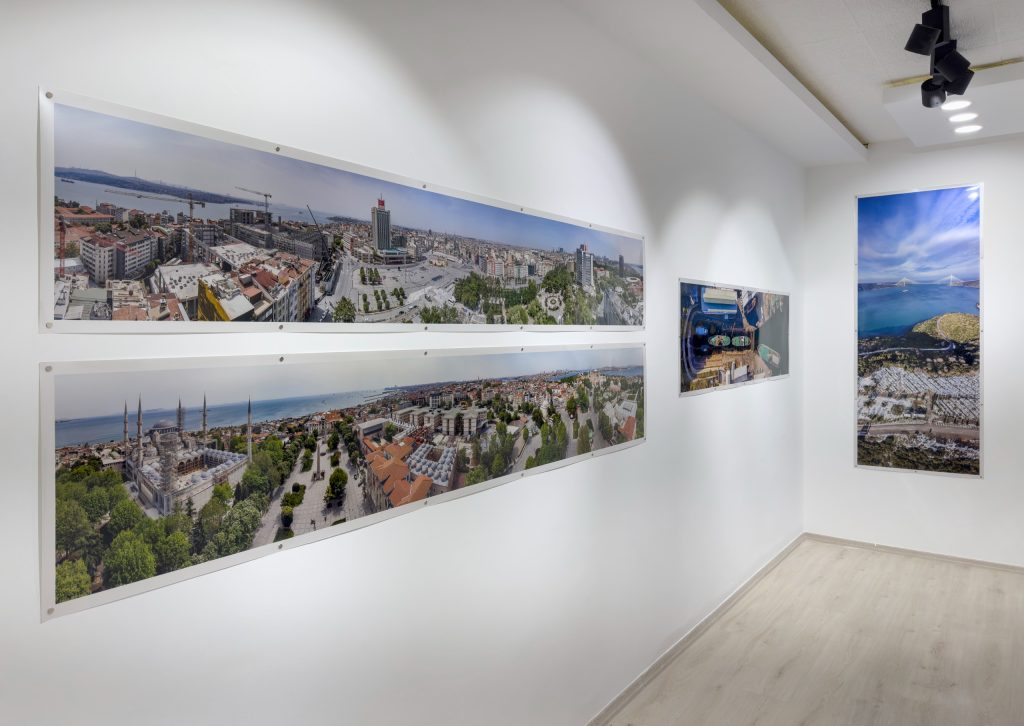
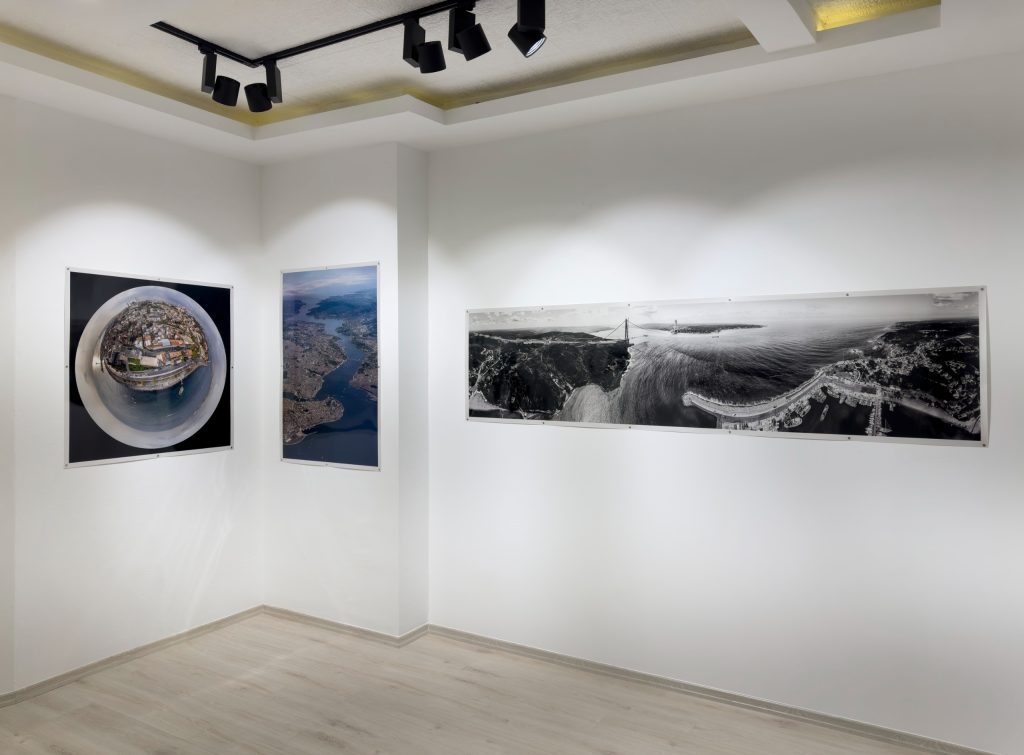
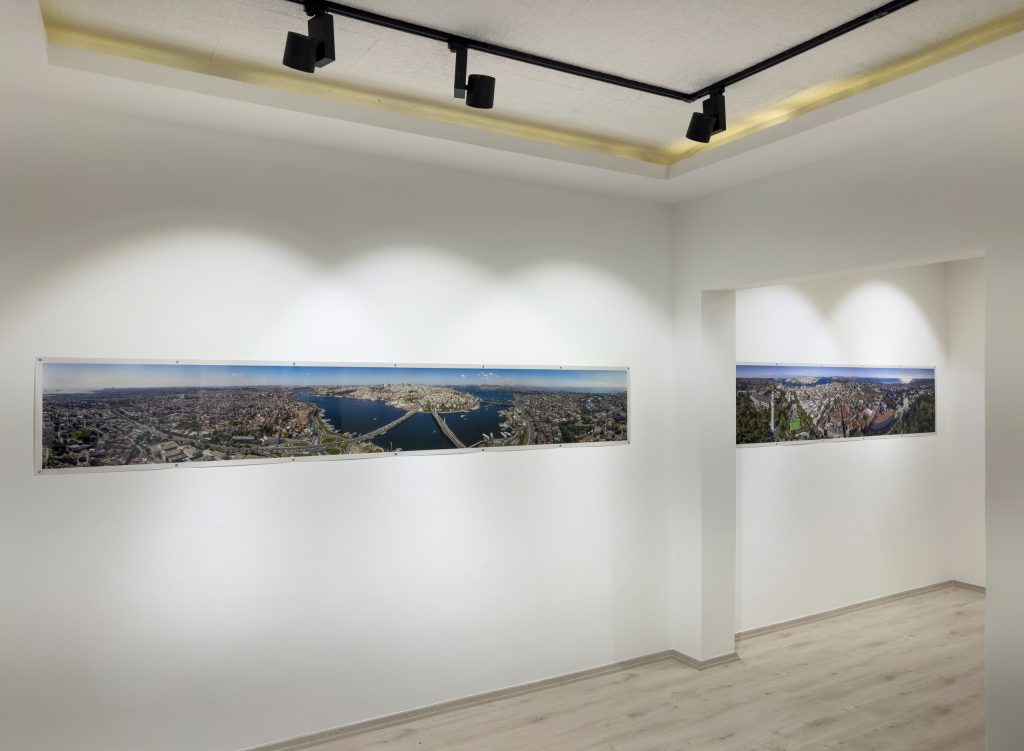
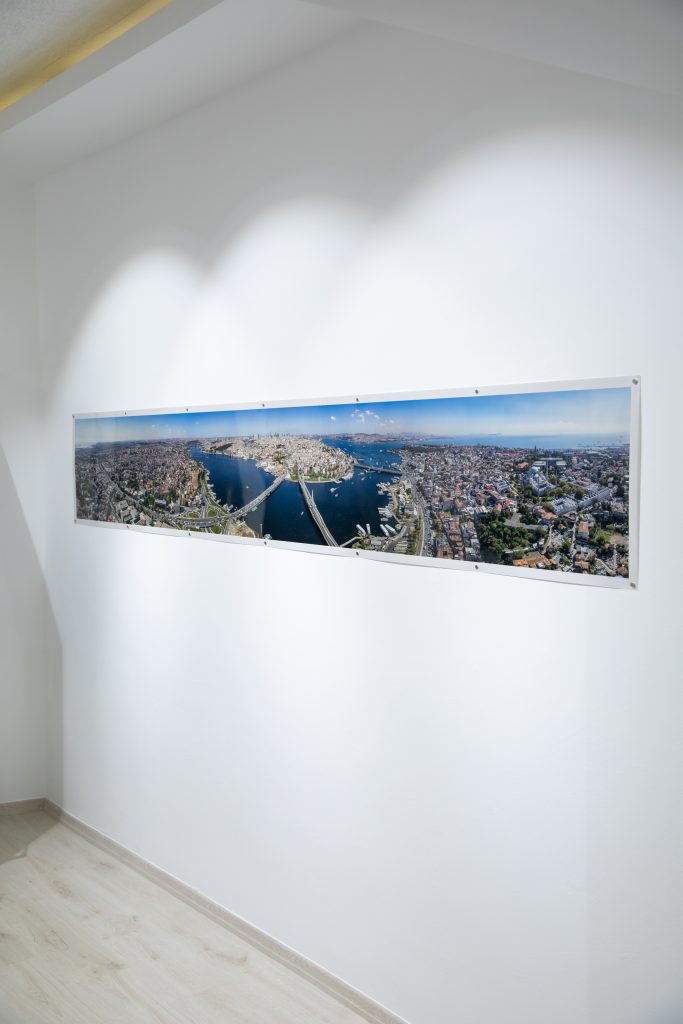
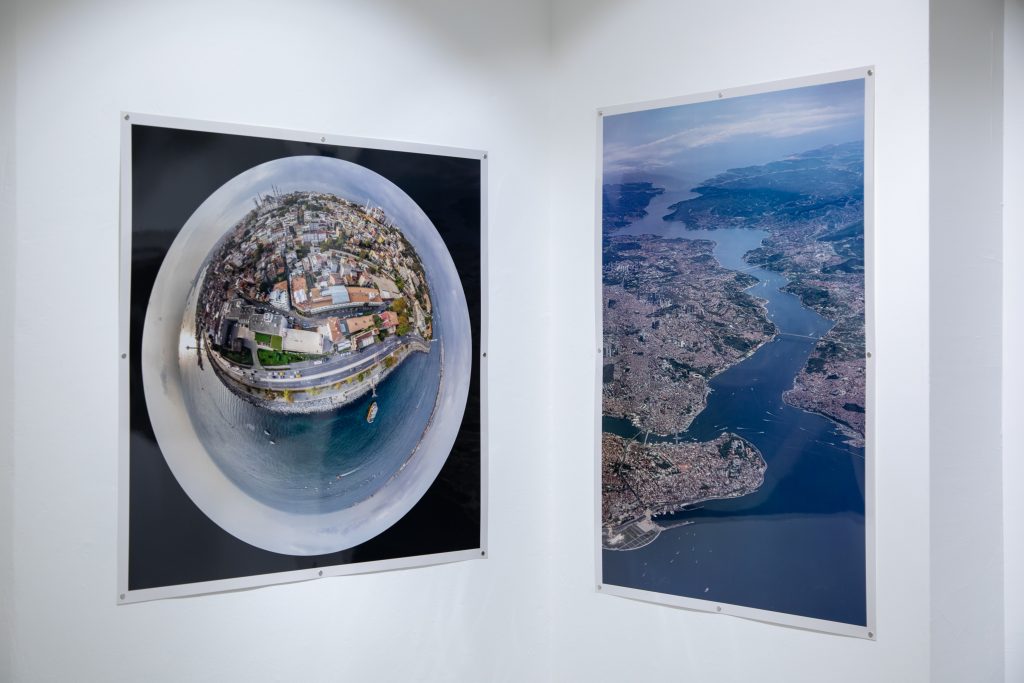
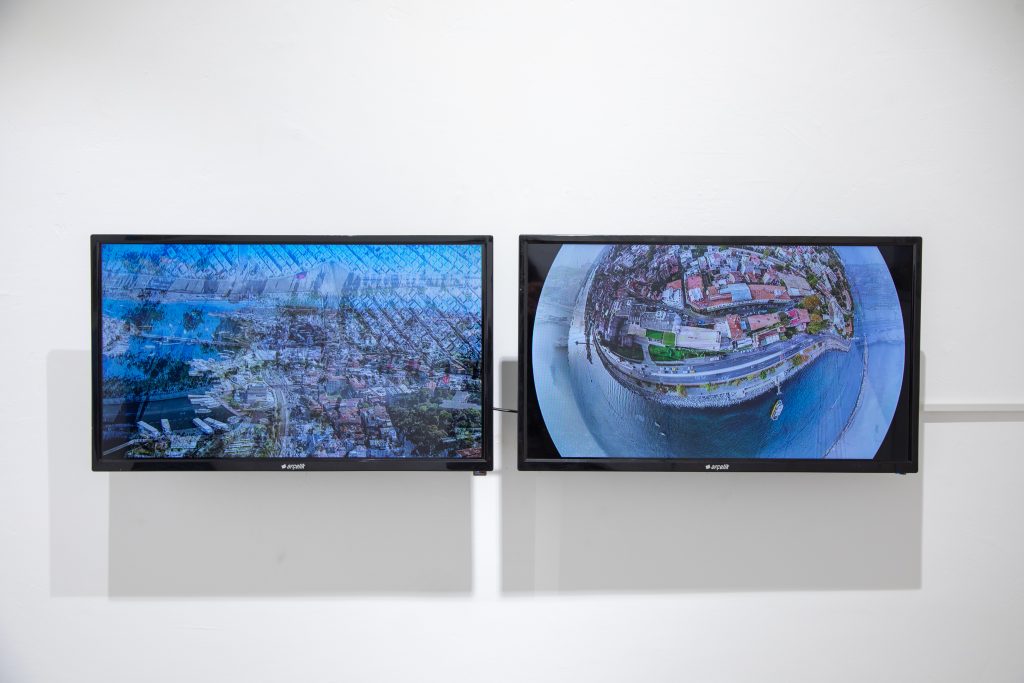
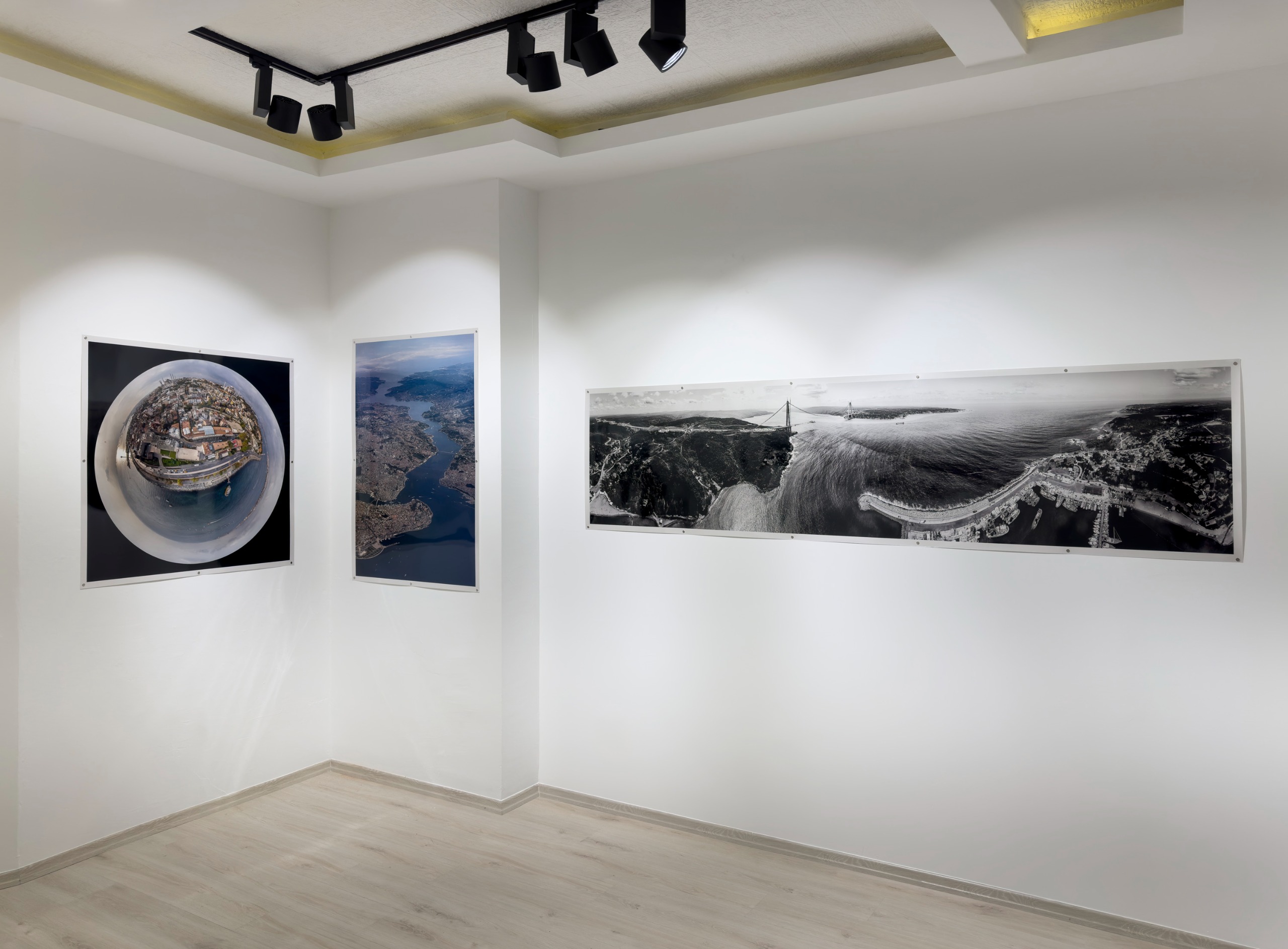
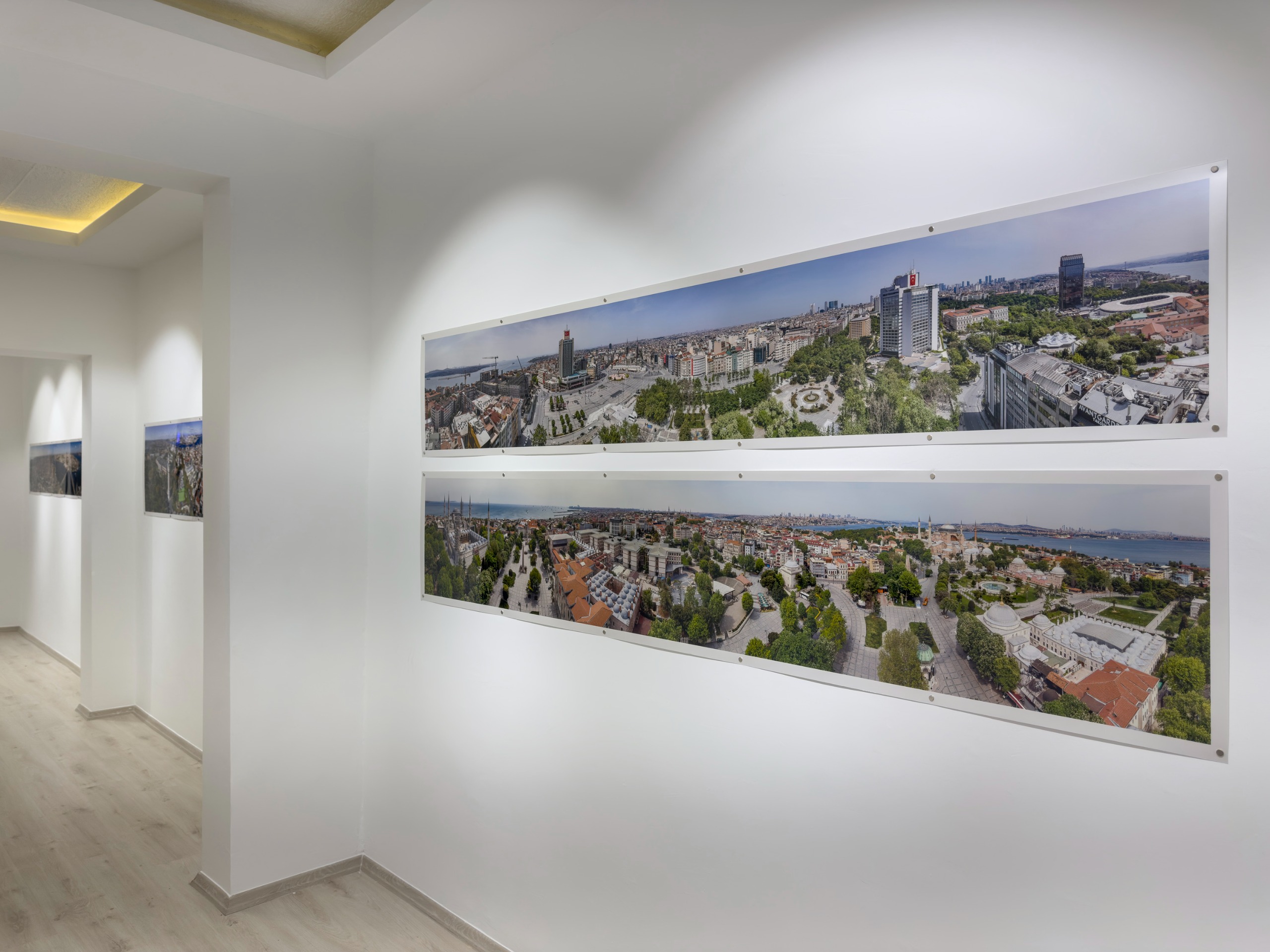
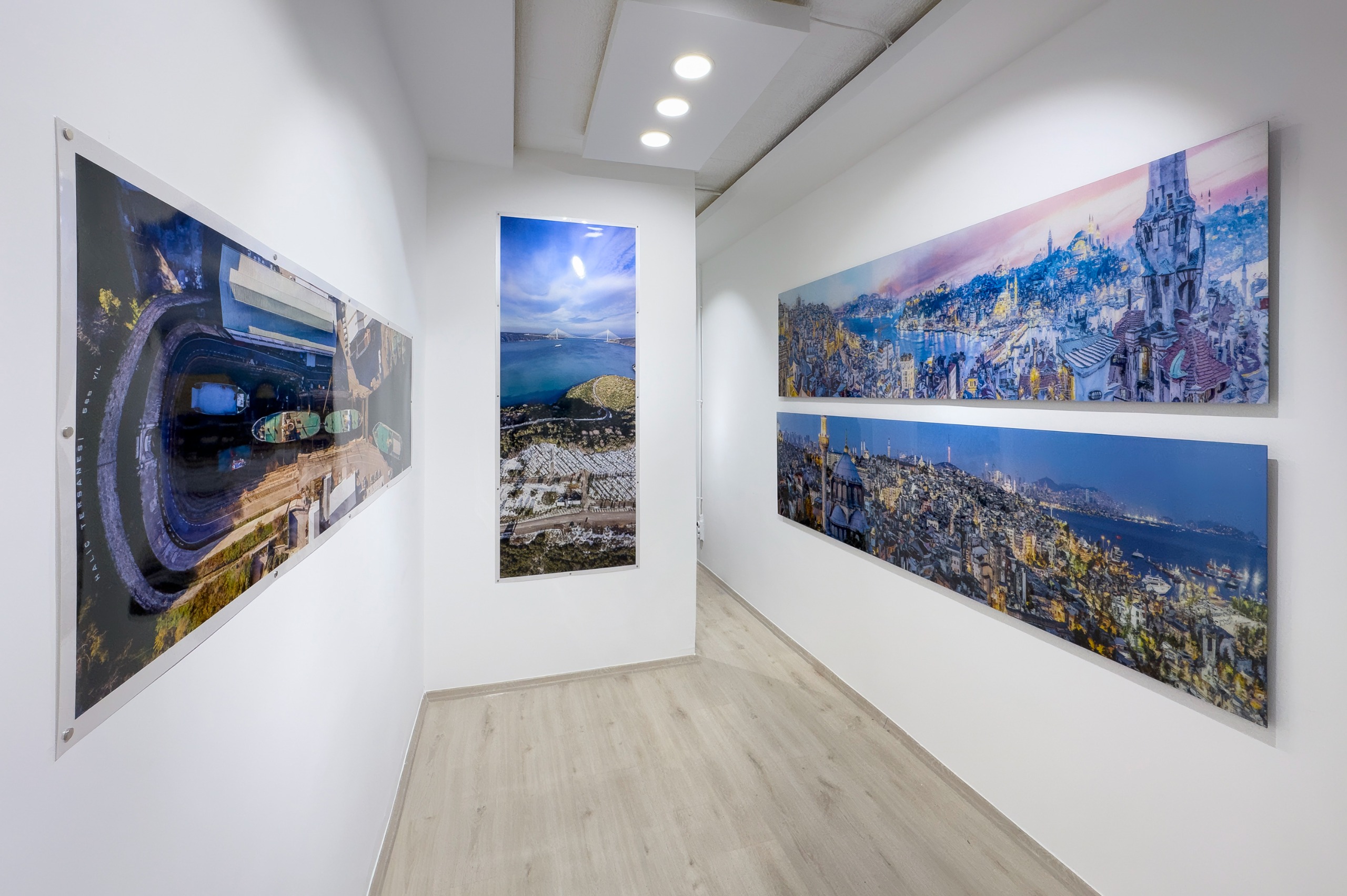
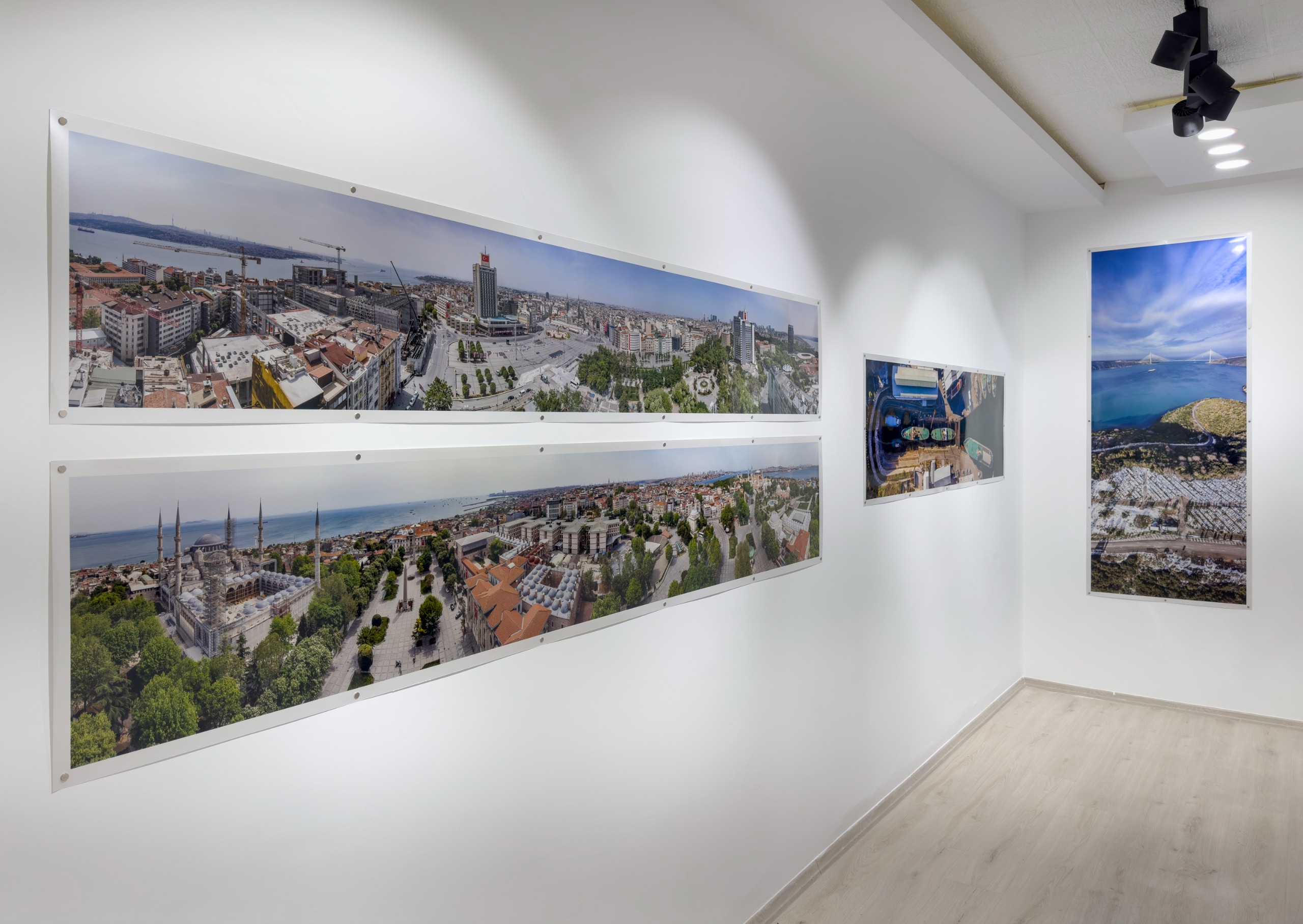
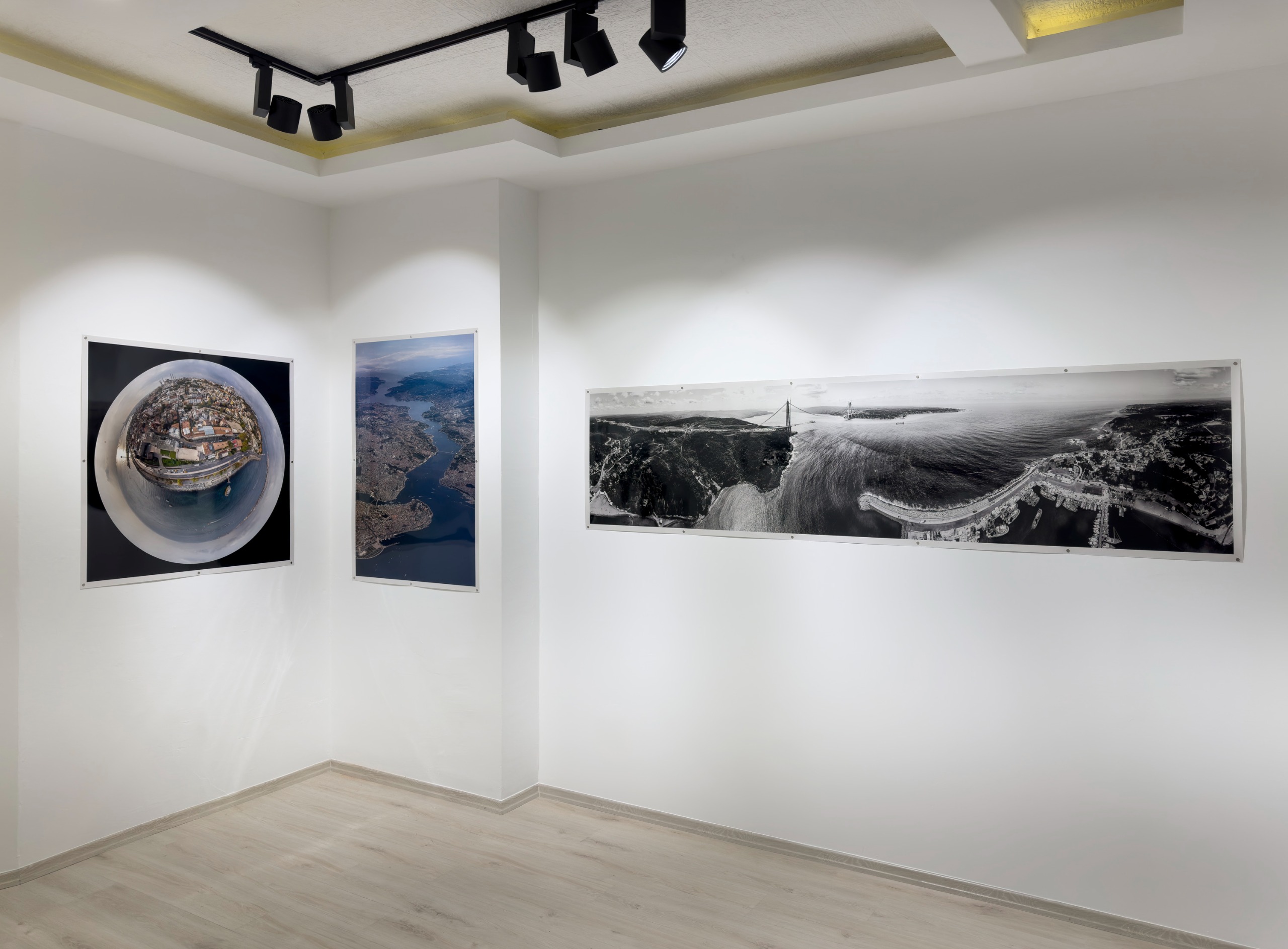
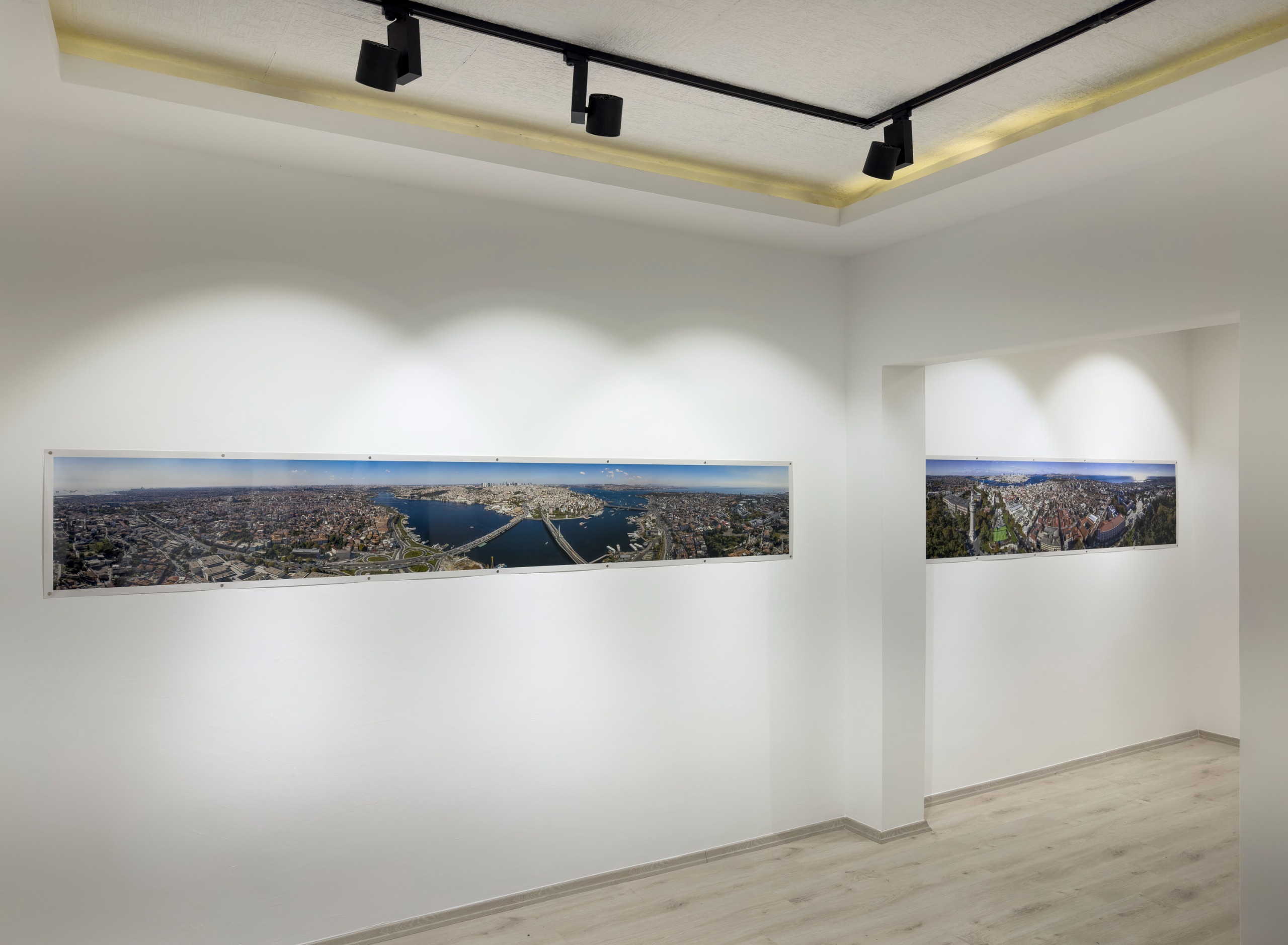
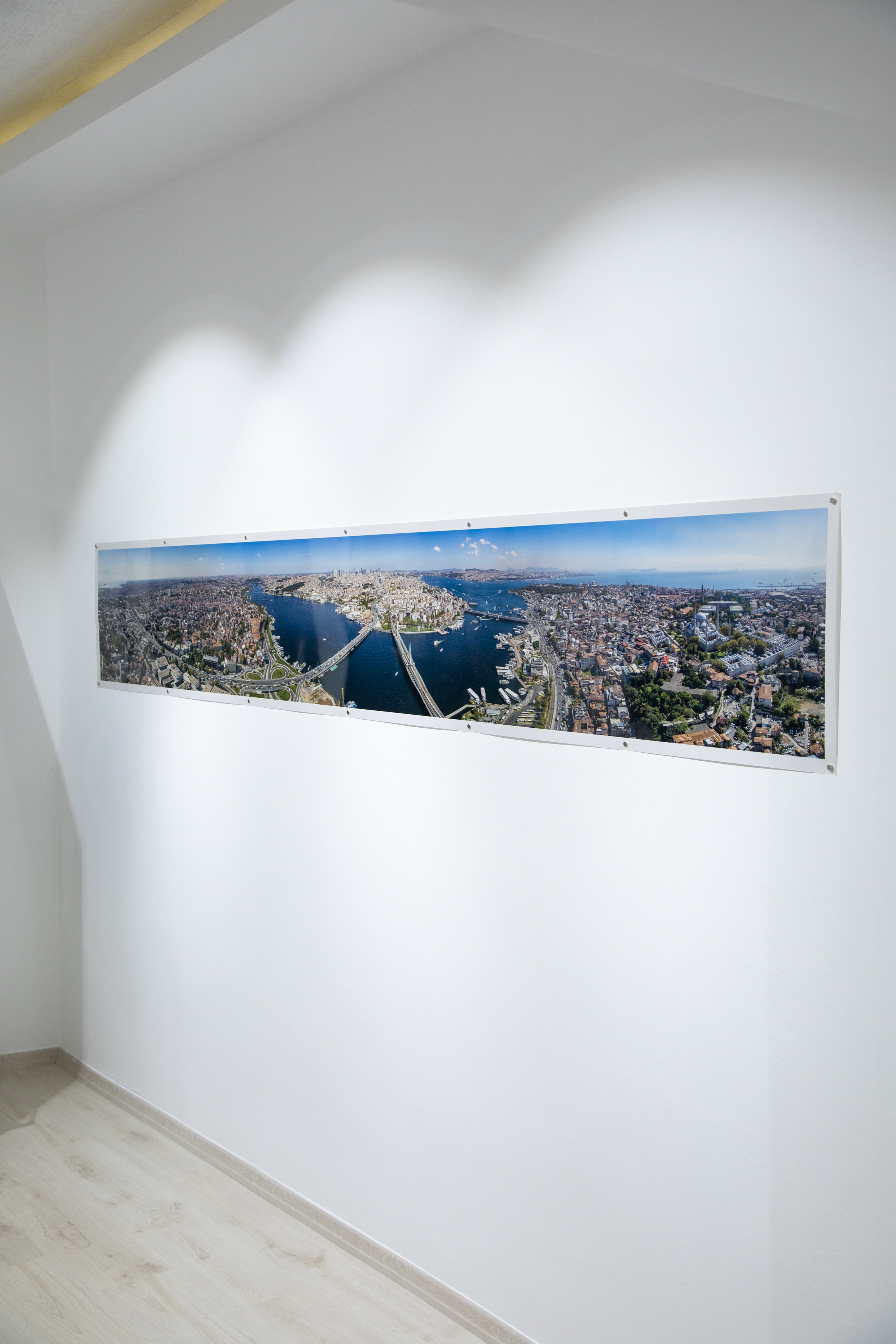
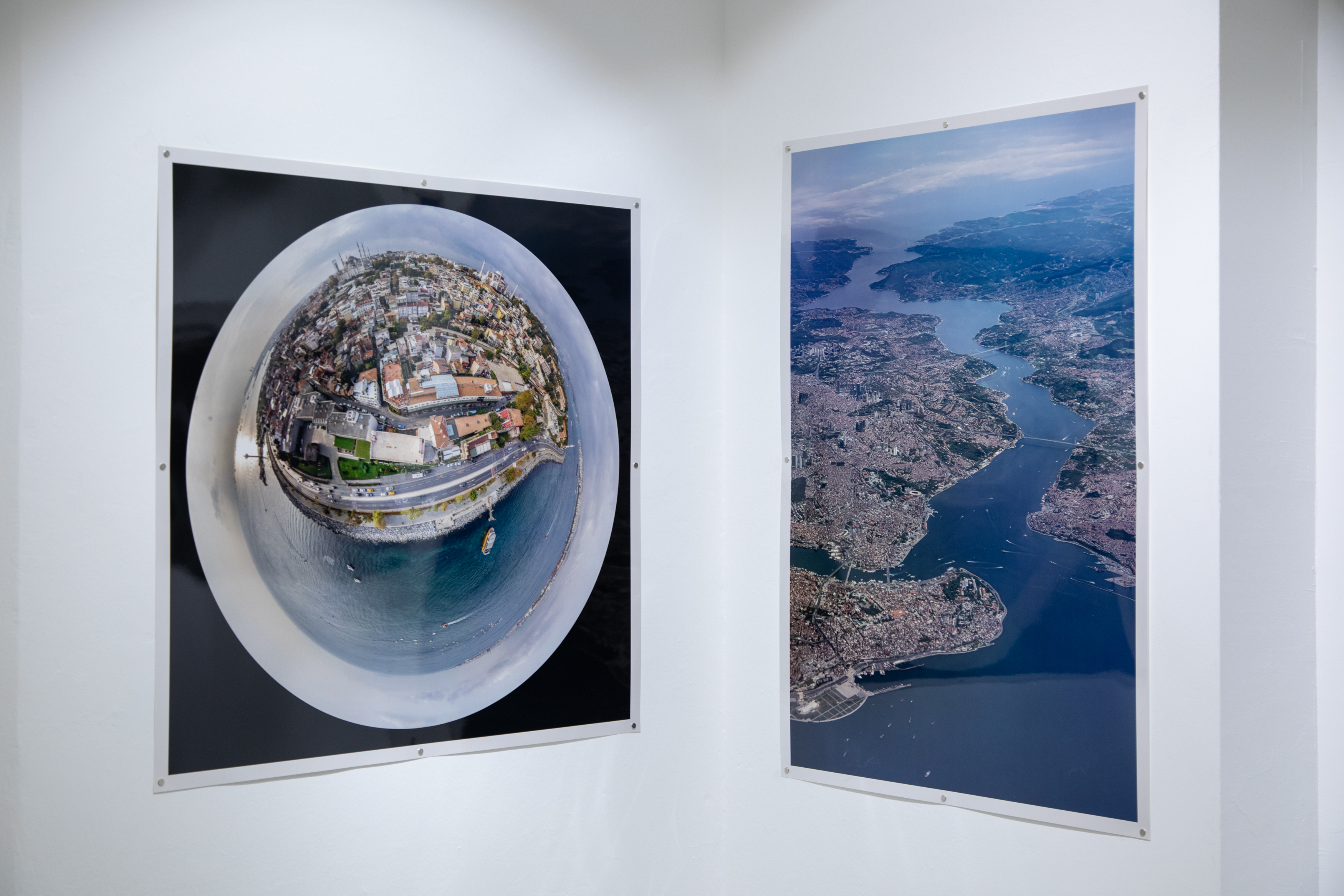
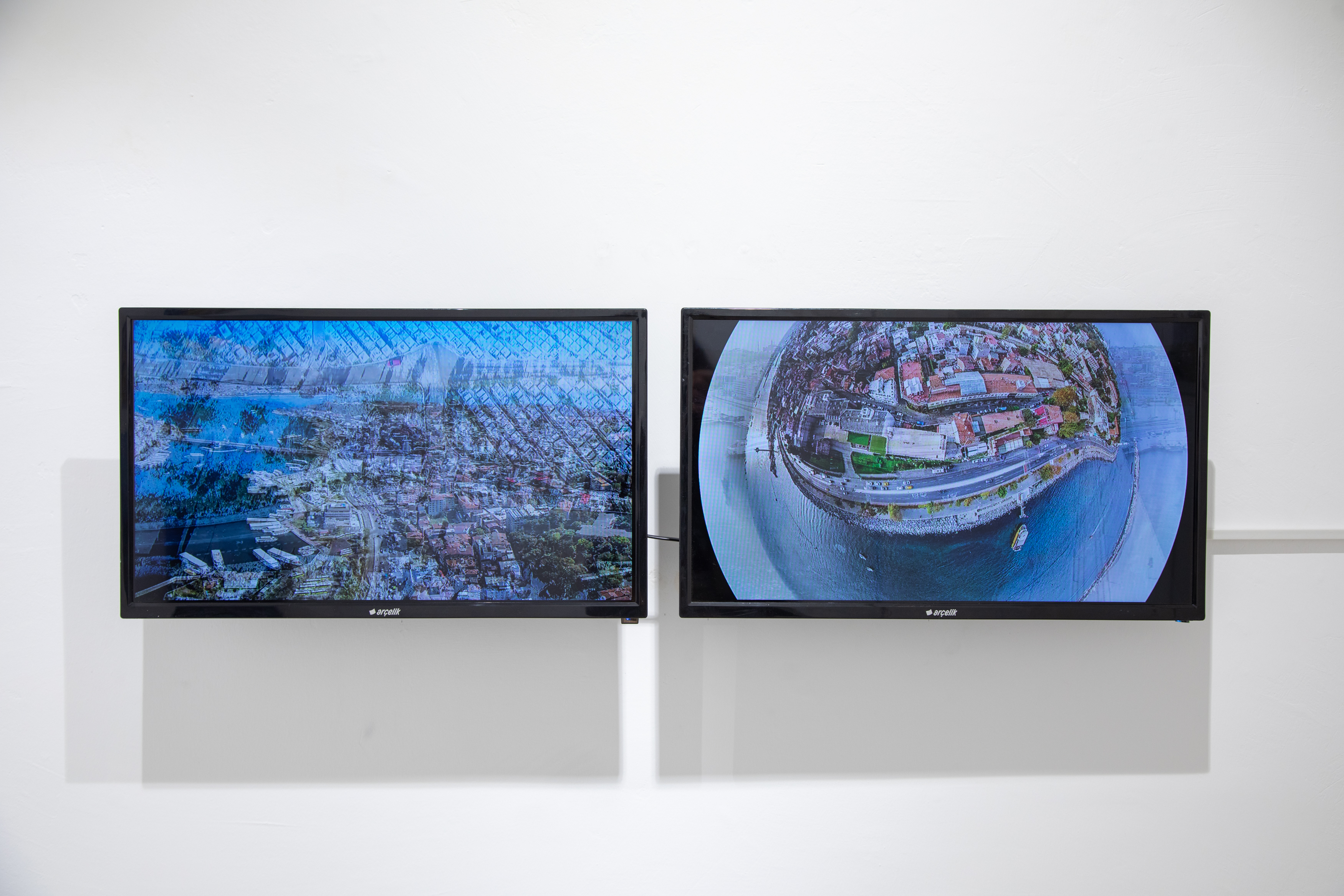
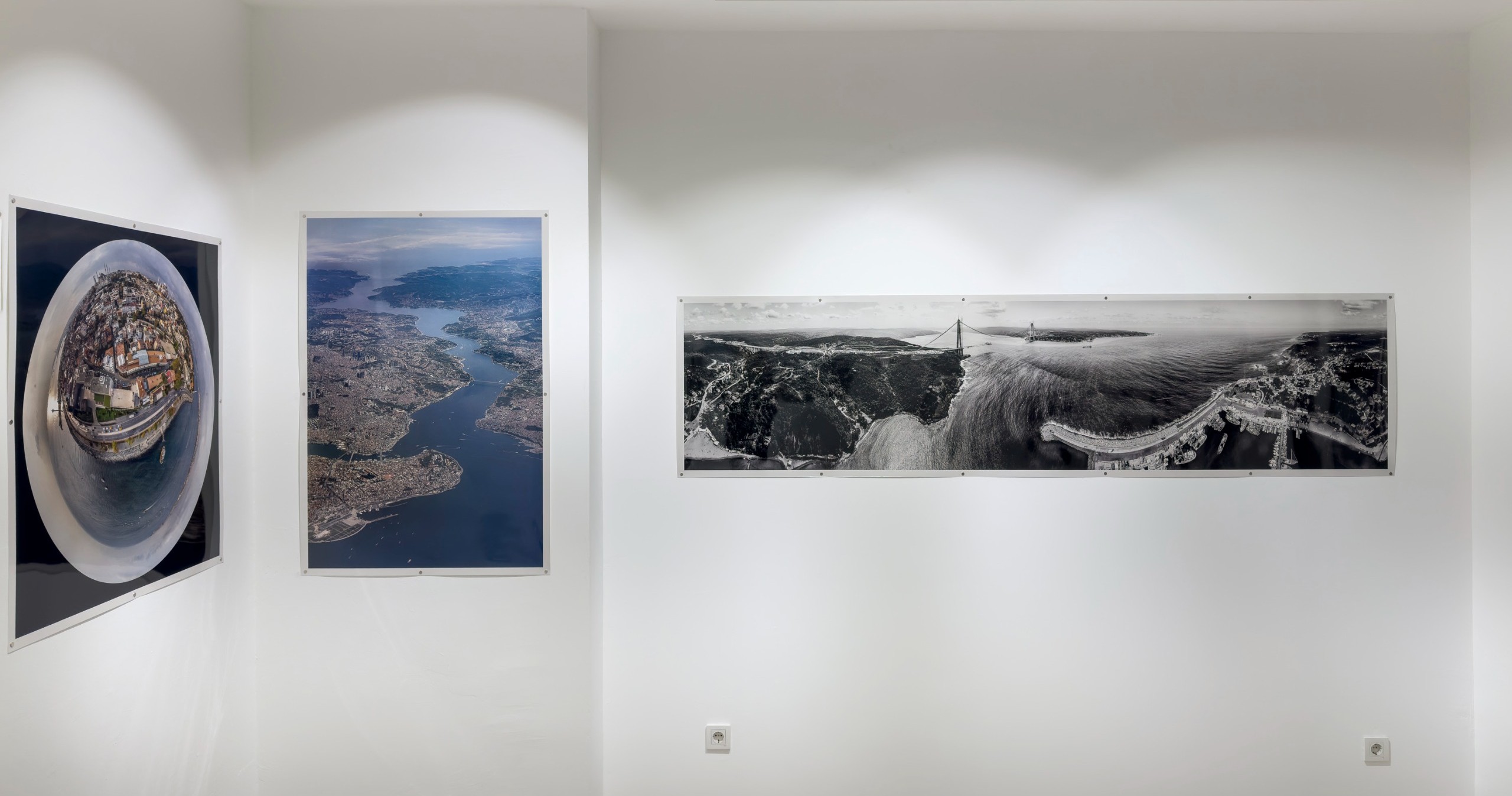
“Collect Gallery” is hosting the exhibition “Ground_Less Istanbul,” which brings together the “unconventional” Istanbul panoramas and vertical landscapes of artist and architect Murat Germen, curated by Assoc. Prof. Dr. Firat Arapoglu. The works on display until February 2nd represent, for Arapoglu, a “criticism of the ideology of human-centered growth.” Reflecting on the foundation of his works, Germen states: “To build memory and then revolt against forgetting; to expose what cannot be instantly perceived, to render the unseen visible… In brief, to wear away the anthropocentric mode of living.” According to architect, artist, and critic Nevzat Sayin, the aim of the artist’s works is “not to clarify, but rather to blur – to create unease and thereby encourage a break from habit and routine…”

Ground Less: Istanbul’s “Unsettling Images” / Evrim Altuğ
Located next to Galatasaray High School in Beyoglu, Istanbul, Collect Gallery (1) hosts contemporary art from Türkiye and around the world. Led by Bulgarian art enthusiast and collector Vladimir Iliev, the venue is also memorable for its historic balcony offering a unique panorama from Pera to Tophane, its aged gallery-branded opening drink specially offered to Iliev’s guests, and its young team.
The environment—at once hidden and open— welcomes the artist Murat Germen until February 2 through the contribution of academic and curator Fırat Arapoglu. (2) In Germen’s exhibition “Ground_Less Istanbul,” the artist assembles works produced by employing the techno-optical capacities characteristic of the 21st century, combining mostly panoramic/horizontal compositions with vertical perspectives that modern audiences have grown increasingly reliant upon through their mobile intelligence practices. This “vertigo-flavored sense of helpless verticality” lends an emotional reproach to the anesthetizing communication era of our time.
In the exhibition, alongside Istanbul’s “Historic Peninsula,” Taksim Square—where Germen documented the AKM under construction, which he managed to observe and reveal during the pandemic—as well as the Taskizak Shipyard and the three highway bridges encircling the Bosphorus, all take on leading roles when viewed from thousands of meters above.
At the event, alongside the artist’s “fisheye” images, his increasingly abstract color panoramas and striking Bosphorus images that evoke the effect of a lithograph also unfold in succession.
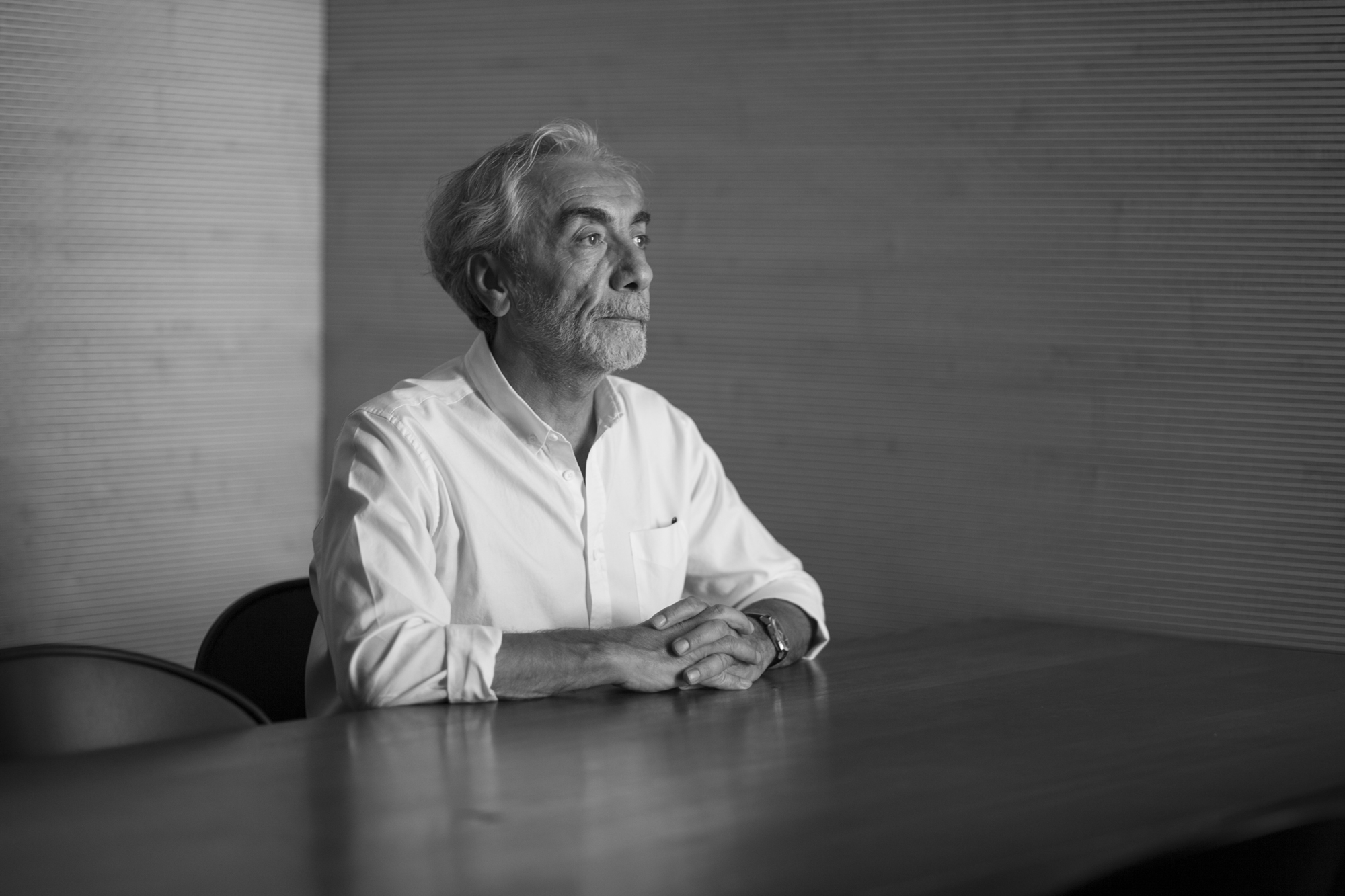
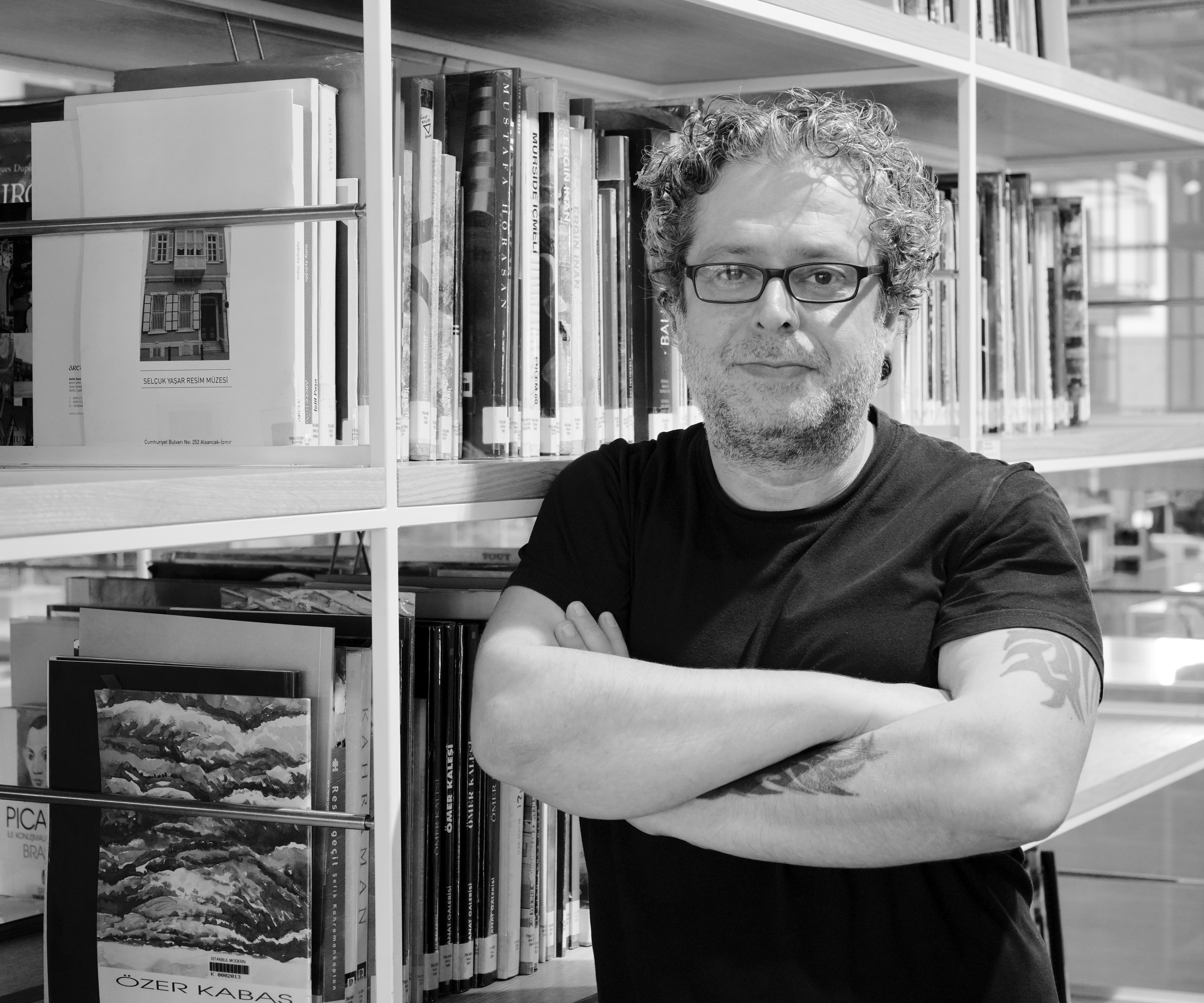
Born in 1965, Germen has long pursued an approach in his works that intersects the phenomena of human beings, architecture, and ecology, producing visual critiques, archiving them, and, based on what he observes, putting forward new academic and cultural, aesthetic knowledge and images. The artist teaches photography, art, and media at the Faculty of Arts and Social Sciences at Sabanci University.
Accordingly, in the new year, we take up the exhibition “Ground_Less Istanbul” and Germen’s art together with curator Arapoglu, artist Germen himself, and critic, writer, and architect Nevzat Sayin, who is also an artist.
Just like Germen’s works, what emerges once again is a very rich landscape of the mind.
In your view, how does the Germen signature use “architecture and ecology” as both a purpose and a tool in his art?
Firat Arapoglu (curator, critic – AICA): “In Germen’s practice, architecture is not only a subject of representation but also a fundamental tool of thought that determines the way he looks at and reads the world. His background in architecture and urban planning enables Germen to approach the city as ‘a layered system, a kind of organism, and a field of power.’ For the artist, photography and visual production are natural extensions of architectural thinking, and concepts specific to architecture—such as perspective, scale, topography, and infrastructure—become an aesthetic mode of expression and a critical framework in his works. For this reason, Germen’s urban images are spatial apparatuses that are measured, mapped, monitored, and continuously expanding.
The element of “ecology,” in Germen’s practice, can be understood as a broad concept encompassing the subtle and problematic relationship between nature and the environment related to nature… He addresses cities as part of ecological systems, and urbanization, infrastructure, waterways, and the transformation of landscape lie at the core of his visual investigations.
In this context, along the axis of ecology, the artist incorporates a critique of the anthropocentric ideology of growth. In his photographs, nature appears not as a background but as a plane that is reshaped, measured, and governed through human intervention.
The “Ground_Less Istanbul” exhibition clearly reveals this dual use of architecture and ecology. In the exhibition, Germen re-reads Istanbul by breaking away from traditional linear perspective and instead adopting the vertical gaze offered by drone and aerial flight technologies. This gaze eliminates the idea of static ground and center, presenting the city as a space that is observed, layered, and in which ecological consequences become visible.
Here, architecture functions as a tool that transforms the regime of vision. Ecology, on the other hand, operates as both a goal and, through this new way of seeing, exposes the city’s problematic relationship with nature, infrastructure, and power. In Germen’s practice, architecture and ecology ultimately converge with aesthetics in an ethical question: How are these spaces built, and who pays the price, and in what way?
Murat Germen (Artist and Academic): “I was an only child; one could say I grew up alone. I can’t say that my mother and father were the typically affectionate, nurturing, and paternal parents of earlier times; nor would I say that I fully grasped the concept of ‘family’ until I married Sema Uygur. Had it not been for my grandmother and grandfather, I would most likely have grown up as a more broken individual. This solitude seems to have led me to develop a defense mechanism.
In 2026, I will be 61 years old, and if I were asked a question such as ‘what is life made of?’, the first thing I would say is that the human species is a highly destructive one. As I have experienced this, an anger has accumulated within me—and it continues to accumulate…
Anger needs to be directed properly; otherwise, it begins to harm the self. Even if I don’t always succeed, I try to channel my anger into my artistic practice. In this regard, I felt the need to extend the defense mechanism I had previously developed for myself toward ecology as well. Simply because ecological devastation is carried out so that companies once valued at billions of dollars can now turn into trillion-dollar corporations, it hurts me deeply, like the torment inflicted on young children who are still uncorrupted human beings.
It is very difficult to say anything about architecture. On the one hand, many architectural productions are among the body of works that inspire the greatest admiration in me; on the other, knowing that the same architecture serves bullies, dictators, exploiters of labor, power, and money deeply saddens me.
Because I knew this harsh dilemma would constantly occupy my mind, I chose to turn away from architecture. I believe I had the potential to become a good designer; I try to apply this to the projects I wish to work on, in the photographs I produce, and in the processes through which they are exhibited.
My goal is to be among those who lay the groundwork for a more livable world; to raise awareness; to leave behind a body of work for future generations—so long as the human species exists—that they can hold themselves accountable to; to prompt the question, “why do we occupy space in this world?”; and to see the viewer not as a consumer but as a companion in concern. Let me use the cliché phrase: to “create memory,” and then to rebel against oblivion; to expose what cannot be immediately seen, to make the invisible visible… In short, to erode the human-centered way of life…
Nevzat Sayin, architect, artist, writer, and academic: “Instead of ‘architecture and ecology,’ should we say ‘how does he employ the geography of the city as both a means and an end’?” After all, the text on the exhibition wall reads that he “brings to light the geographical reality beyond the city’s surface-level life.” In line with this statement, we see a series of highly diverse photographs.
In addition to two photographs from his previous works that might be described as a deconstruction of the city, there is a vertical composition, one black-and-white photograph, and an image of the stone dock at the shipyard that can be considered a “close-up” in relation to the others. The remaining works are narrow, elongated horizontal panoramas. Because of their quantity, these are what dominate the exhibition. While their very wide-angle look may suggest images composed of multiple shots merged together, their warped quality reveals that they were taken as single frames using a wide-angle lens.
These are photographs that we could never see all at once with our own eyes unless mediated by an interface. Even though they are expanded to an extreme degree, because they bend and fold back onto themselves, they become intensely constricted within that very expansiveness. Due to the point of capture, a city composed of seven hills is flattened and leveled. As in a “bird’s-eye perspective,” the curvatures that define elevation flow from the y-axis into the x and z planes.
And because they are viewed, in Arapoglu’s words—much like the eye within a triangle depicted in certain churches—through the “Eye of God,” there is also a loss of scale. Everything is small…
Photography always lies… So even if these photographs reveal the truth of the city’s physical geography, should we ask whether the city’s human geography can only be understood from ground level—and whether this is how it appears when viewed from above? Because when mass gives way to volume, all that remains in our hands is the city’s materiality.
Germen has prepared a strong exhibition precisely because he provokes all these questions and interpretations. Although they all tell a story together, each one is a rigorous photograph. My favorite is the single vertical image; the frame that stretches from the cemeteries to the 3rd bridge, where we can most strongly feel the ground. In my view, none of them is “groundless.”
…not groundless, or rather grounds that operate along the x and z axes; yet alongside those x and z axes, they also make the y axis perceptible. Like miniatures, within the same frame there is both plan and elevation; I find nothing strange about it…
If we can view these panoramas or vertical panoramas we are observing as a kind of “map of the future,” what does this “map of depletion” signify to you, as responsible producers?
Germen: As a human species, it cannot really be said that we initially learn from what happens around us. Nevertheless, there are among us those who draw lessons from it, who create points of rupture, who generate revolutionary movements. For this reason, humans must continually produce textual and visual representations of what is happening—such as novels, poetry, history, drawings, paintings, renders, photographs, and the like.
It is possible to view the images in the exhibition as a map, which reflects the objective dimension of these photographs. On the other hand, there are undoubtedly subjective qualities to the photographs as well—both in terms of the “apparatus” and technical imaging methods I use, and in the contexts of what my eye chooses to see. In this sense, even if not to the same degree as miniatures, we can also speak of the “personal character” found in miniatures. Representation is not, in essence, an objective reflection; it always contains a subjective intervention specific to the time in which it is produced. Even though I create the images with a particular set of intentions, it should not be forgotten that viewers will have different perceptions, which is in fact something generally desired by artists. Fifty years from now, if the human species manages not to consume itself, these images may well be perceived by others in entirely different ways, within very different contexts…
In general, it is possible to view the concept of representation as a ground of connection capable of linking the future with depletion. To create a “map of depletion” is to be able to generate concern in minds about the future in advance and to define “depletion” as an enemy that must be fought (like the White Walkers in Game of Thrones). In this sense, I would like these productions to be perceived not as a prophecy (since everything is already in plain sight), but, if possible, as a gentle “slap,” or, more softly put, as a “nudge.”
The aim is not to clarify, but rather to blur—to create unease and enable a break from memorized patterns and routines… Finally, it should not be forgotten that representation cannot be a depiction capable of fully encompassing the future; it merely provides the urgency of action against depletion and the necessary clues—the rest is up to you…
Arapoglu: In “Ground_Less Istanbul,” Murat Germen’s turn toward the panorama is, in my view, a conscious inversion of a powerful visual tradition stretching from Lorich to the great Istanbul panoramists of the 19th century. Historical panoramas generally represent Istanbul as a city seen from above yet in contact with the ground—holistic, harmonious, and resistant to time.
Germen’s panoramas, by contrast, mark the threshold at which this tradition fractures. Today, looking from above has come to mean measuring, segmenting, and controlling the city. For this reason, in “Ground_Less Istanbul,” the panorama turns into a diagnostic tool. The city’s horizontal continuity reveals the speed of depletion.
The truly unsettling element in these works, as you have also pointed out, is in fact the shift of the gaze toward the underground and toward future disappearance. When examined carefully, Germen’s panoramas reveal infrastructure networks, severed landscapes, reclaimed coastlines, and suppressed natural layers. Istanbul emerges here as a space that has been hollowed out, its ground rendered unstable. This sense of alienation replaces the feeling of wholeness offered by the classical panorama with an anxiety-inducing awareness. In the exhibition, the viewer will ask the question, “How much longer are we here?” For this reason, these images depict the fragility of the future.
Viewing these panoramas as both a “map of the future” and a “map of depletion” created an ethical responsibility for Murat and me. These maps are visual records of possible outcomes shaped by today’s choices. The sense of responsibility that Germen reminds us of gains meaning precisely here. These works expose the blindness we have developed toward a city. Fidelity to “Ground_Less Istanbul” is only possible through confrontation, and for this reason, in my view, these maps are maps of an overdue responsibility.
Sayin: “We all add something to the ‘map of depletion.’ These photographs are like urban models exhibited in certain cities, reshaped through additions and subtractions with each intervention. If it had been possible to shoot from the same point at different times, this ‘interactive crime map of serial murders with known perpetrators’ could have been traced much more clearly. Through such tracking, we could plainly see who pressed into which parts of the city and during which time periods, and how the path of this ‘urban transformation’ was opened up by the authorities.
Only Murat Guvenc could have produced the most accomplished version of this map, rendered legible through layers. In his maps, we can find a narration of human geography by using the physical geography documents of what is called “time–space compression.”
As a “responsible producer,” I see myself—and architects as well—as among the developers of this map. As long as we act within given conditions, there is no escape from it. Even if having done a singular “good thing” is inwardly comforting, it is not enough to place us outside the map. It seems this will continue so until a revolution… Despite everything, should we use a hopeful term that is curable—such as “crime map”—instead of a dark and hopeless term like “map of depletion,” even if it is harsher and more accusatory?
Information:
1- https://collect-gallery.com/tr/hakkinda/
2- https://muratgermen.com/about/
3- nsmh.com