
Don’t think that deception, lying, trickery, and manipulation are unique to humans. Does nature lie? Absolutely!
For example, some female monkey species mate with low-ranking males to genetically diversify their offspring and hide this from the dominant males around them. Why? Because the dominant male may attack or punish the low-ranking male or prevent the mating altogether. In the reptile world, male snakes competing to find a mate imitate the behavior and scent of female snakes to confuse their rivals. Crows, famous for their strategic behavior, deceive and drive away competitors by using a fake alarm call, a false warning of danger.
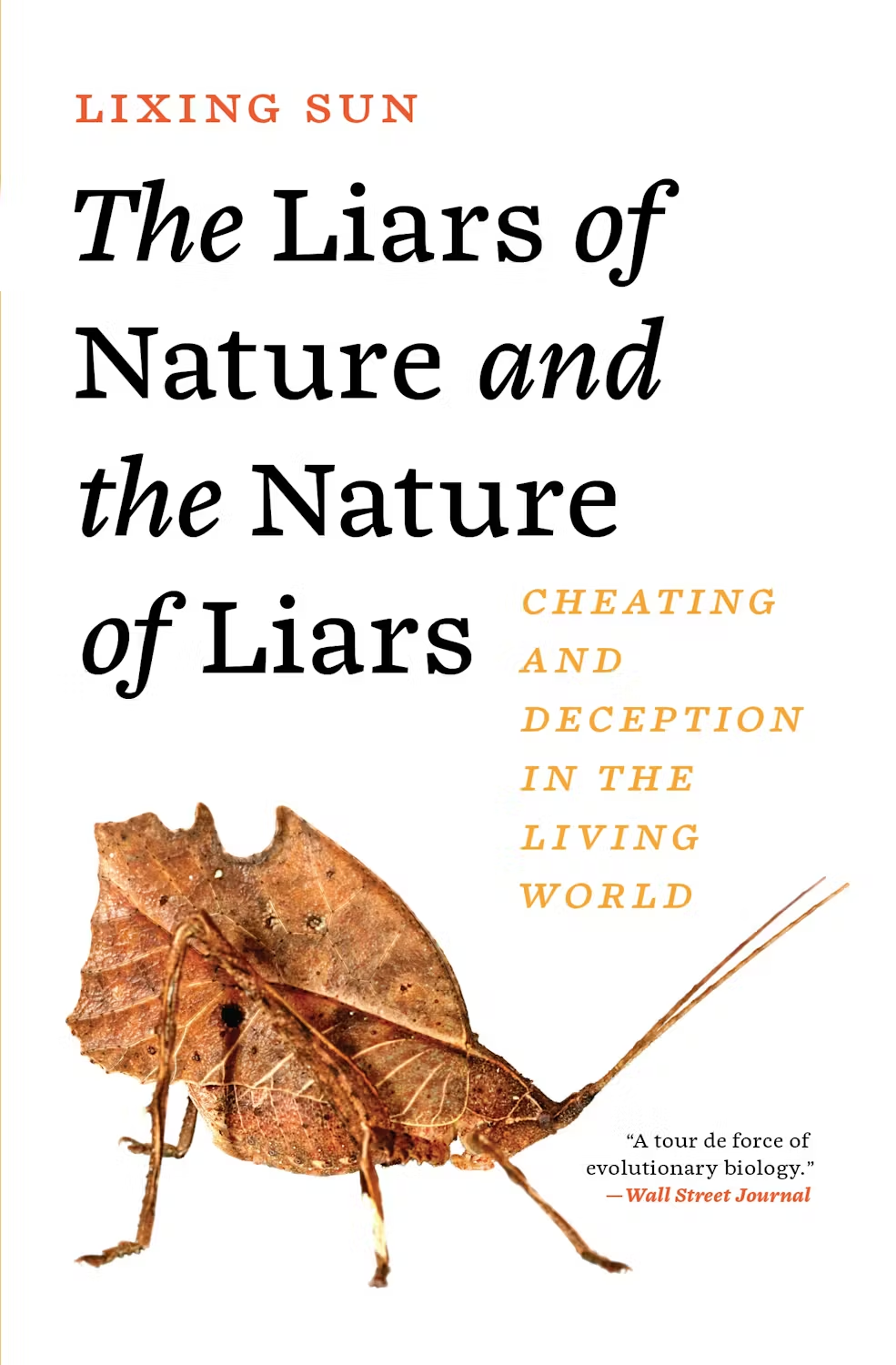
Biology professor and author Lixing Sun examines the evolution and natural history of deceptive behavior in the animal kingdom in his book The Liars of Nature and the Nature of Liars. He explains how humans and animals use deception for evolutionary advantage.
So, is deception the same in humans and animals? Thanks to language and intelligence, humans can tell complex lies for very different purposes and goals. In the natural world, however, deception exists purely as an evolutionary strategy for survival.
The book explores not only animal stories but also topics such as communication, signaling, perception, and manipulation, offering examples of lying and deception across all living beings—from bacteria to humans.
The book’s title, The Liars of Nature and the Nature of Liars, summarizes its content quite clearly.
If you are curious about how order in nature is established, interested in animal behavior and behavioral biology, and enjoy learning new things, you will love this book.
We’re Tired, We’re Exhausted—But There Is a Way Out!
Years ago, actress Meryem Uzerli mentioned “burnout syndrome” in an interview—a term many of us responded to with “What is that?” Today, it has taken over the lives of most of us. In a world that has lost its motivation, we are trying to find our way by trial and error. “I can’t lift a finger,” “I don’t feel like it,” “I don’t enjoy anything anymore,” “I don’t care”—these have become the sentences we hear or say most often.
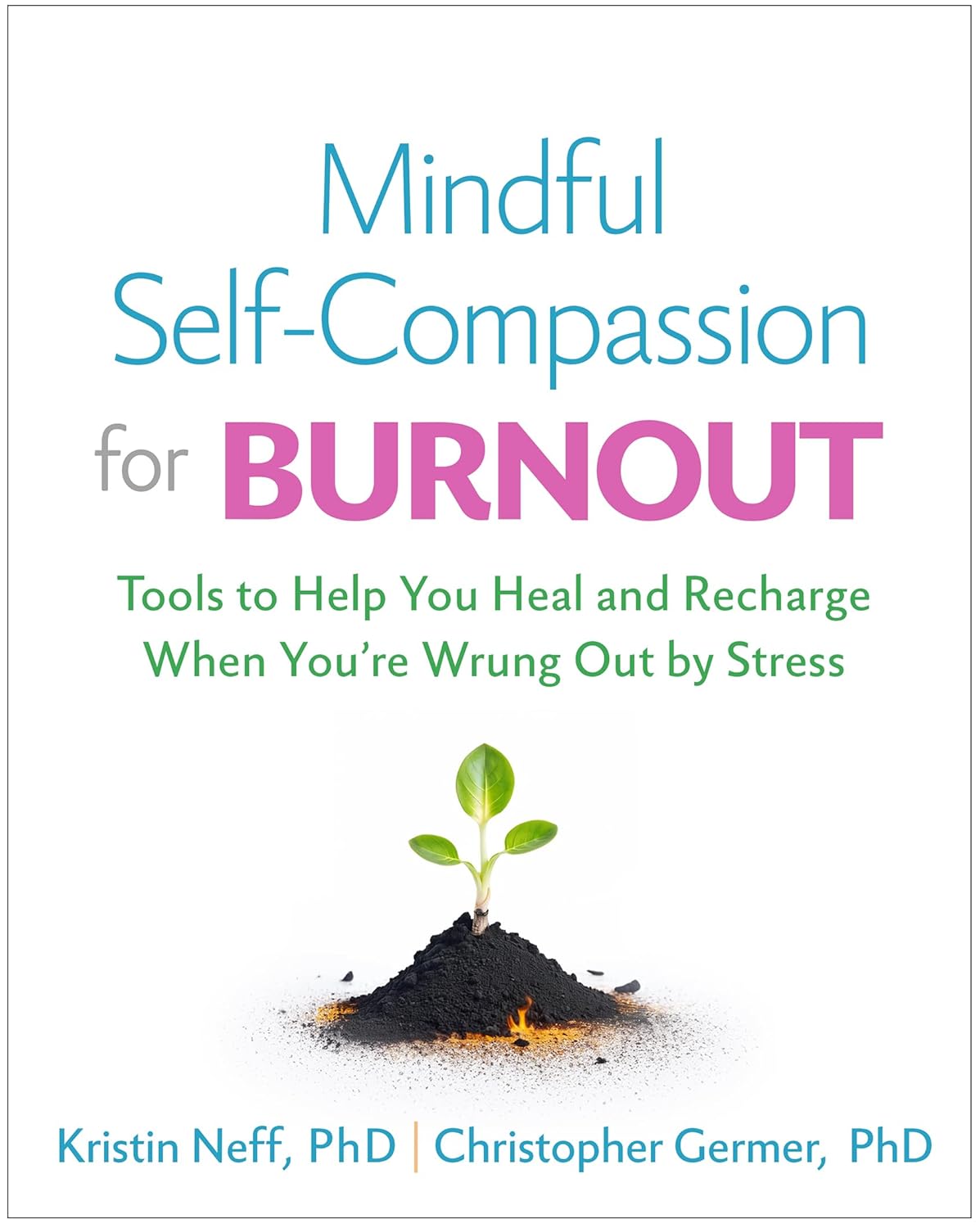
I read a book that approaches burnout not with cliché motivational phrases, but from a scientific perspective and through the practice of self-compassion. Its title is Mindful Self-Compassion for Burnout. Written by Dr. Kristin Neff and Dr. Christopher Germer, the book explains how to recognize mental and emotional exhaustion, how to reach mindful awareness by letting go of resistance and acceptance, and introduces compassion-based techniques.
By asking readers questions, the book helps them understand their current emotional state and teaches how to practice self-compassion. It emphasizes being kind to oneself, recognizing that this emotional state is shared with others—that you are not alone—and, most importantly, becoming aware of emotions without suppressing or dramatizing them. Along with the note, “Difficult emotions are temporary. When left alone, they arise, are felt for a while, and then pass. But when we resist our emotions, we lock them in place, preventing them from disappearing naturally,” the book also provides a five-step prescription for coping with difficult emotions.
If you are constantly racing to meet deadlines at work, living with someone who requires care at home, a perfectionist, someone who constantly feels guilty and judges themselves, or stuck in the “I can’t do it. I’m not capable” loop, this book is for you. Mindful Self-Compassion for Burnout addresses burnout not as a character flaw but as the result of a system, and it restores motivation from within.