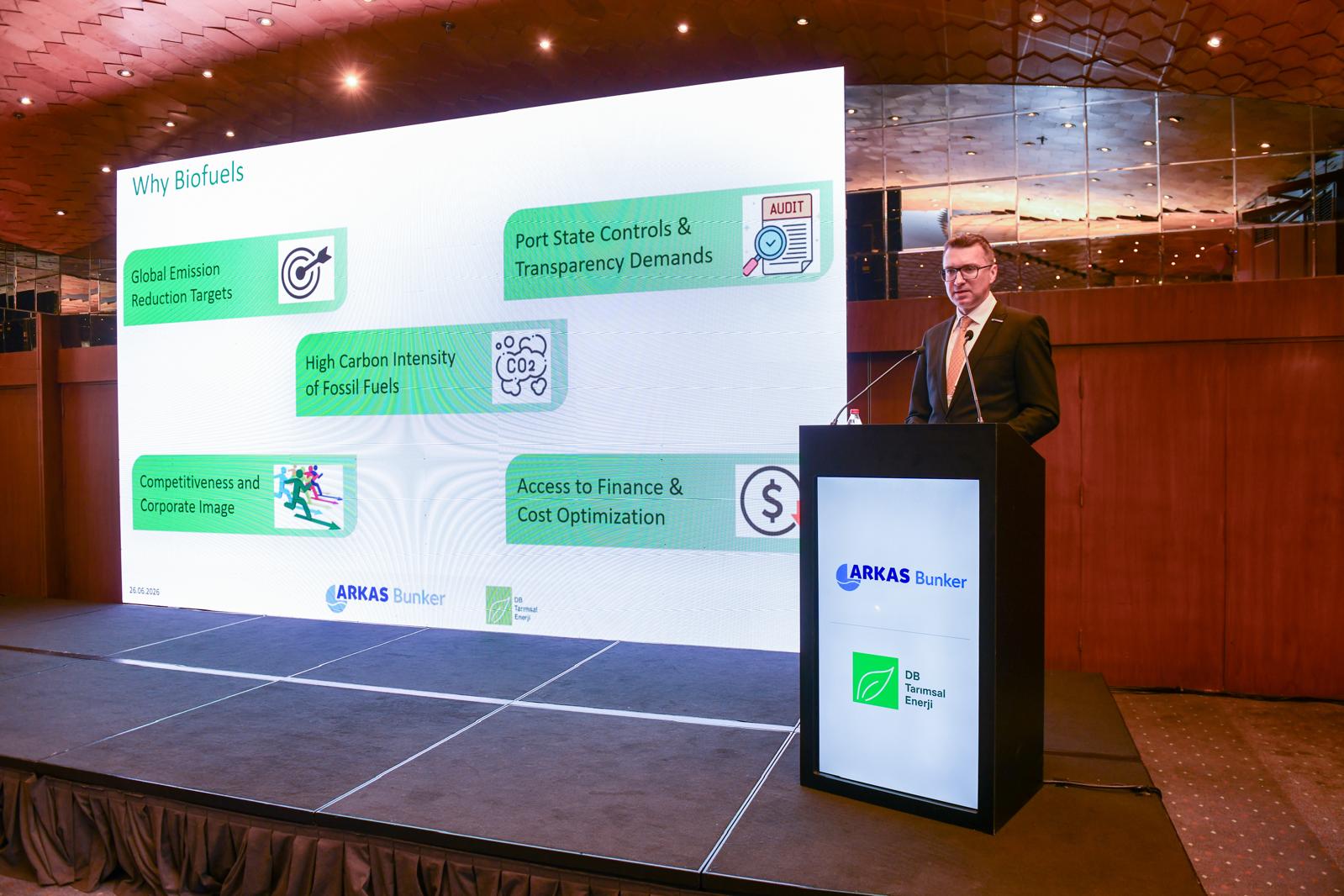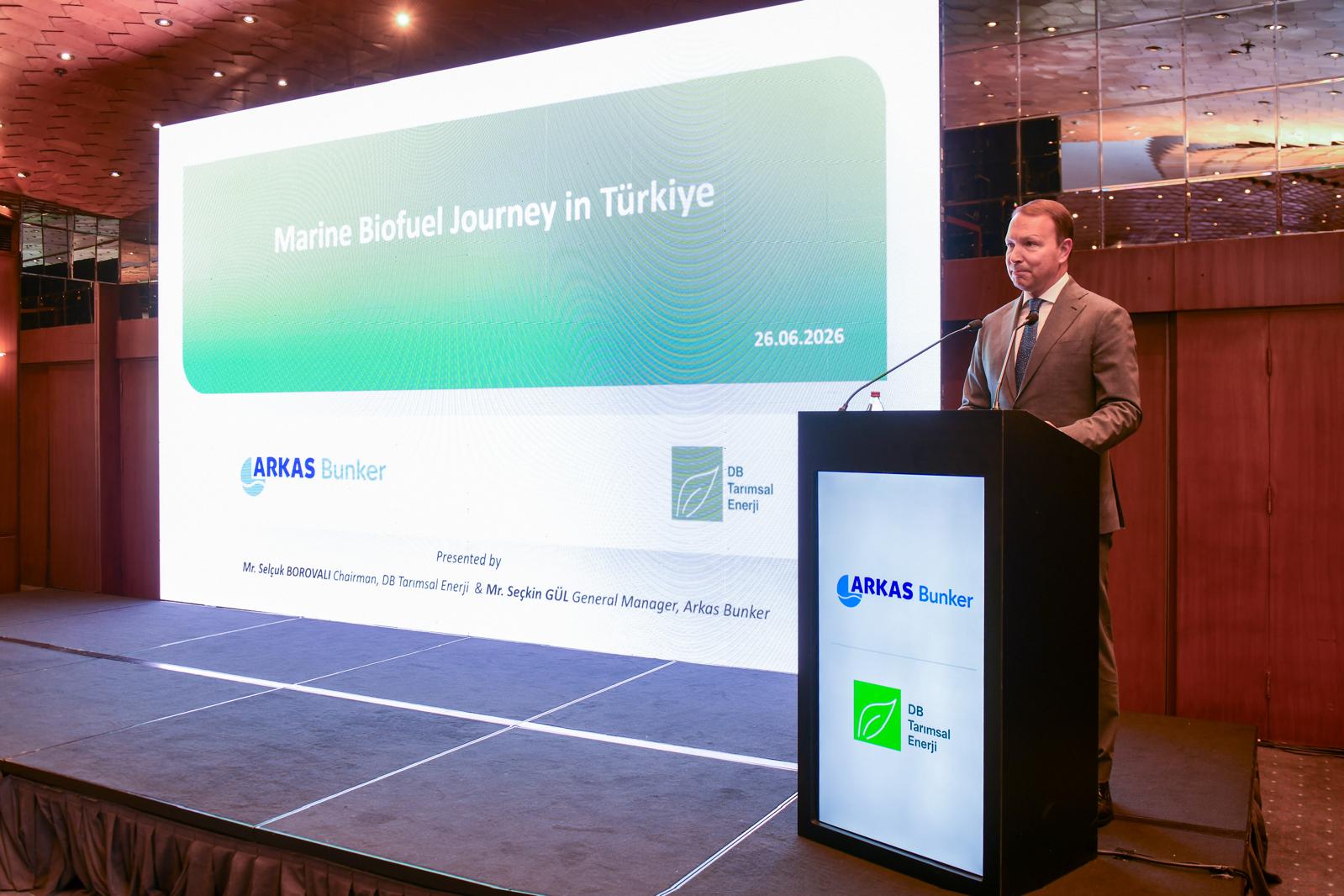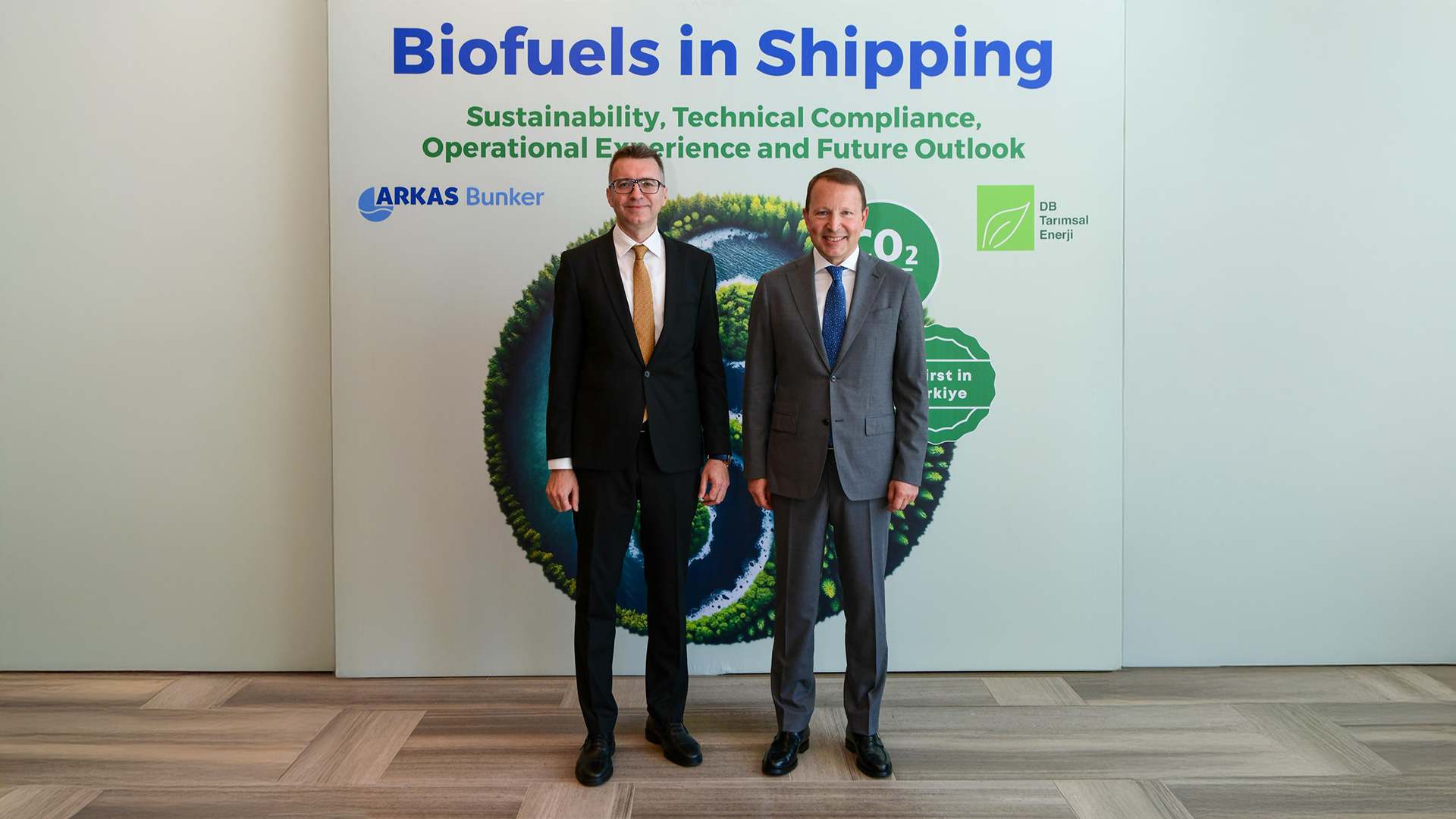
Arkas Bunker and DB Tarımsal Enerji addressed the use of biofuels in shipping through the lenses of sustainability, technical compatibility, regulations, and field experience. At the “Biofuels in Shipping” seminar held in Istanbul, it was emphasized that DB Tarımsal Enerji’s domestic and certified biofuel production infrastructure, together with Arkas Bunker’s marine fuel supply and on-site application experience, offers a complementary model for the transition to low-carbon fuels. It was also noted that this transformation is not merely an environmental issue, but one of strategic importance in terms of freight costs, export competitiveness, financing conditions, and supply chain security in tandem with carbon regulations.
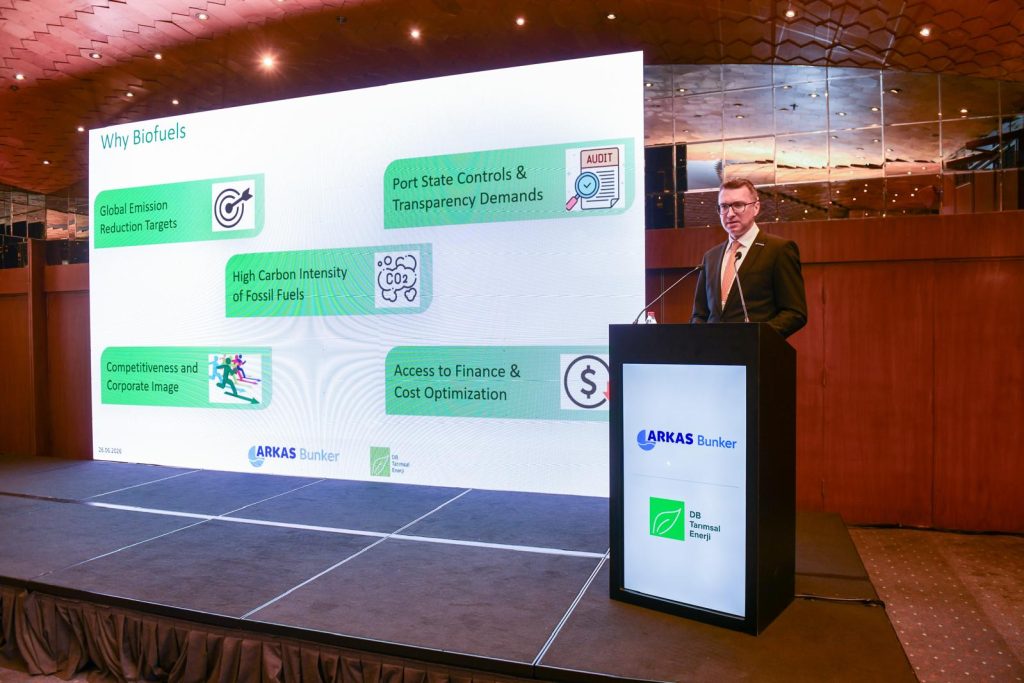
Sea transportation, which forms the backbone of global trade, is now at the center of a new fuel transition shaped by carbon regulations and low-emission targets. The IMO’s greenhouse gas reduction goals, the European Union’s regulations lowering the carbon intensity of marine fuels, and stakeholders’ expectations for sustainable supply chains are transforming vessel fuels from a purely technical choice into something far more strategic. In the coming period, the carbon intensity of fuel will become a key determinant not only of vessel operations, but also of freight costs, route planning, cargo owners’ preferences, and exporters’ competitiveness. For this reason, access to low-carbon fuels is emerging for the maritime sector as an issue that goes beyond environmental responsibility, offering commercial sustainability and competitive advantage.
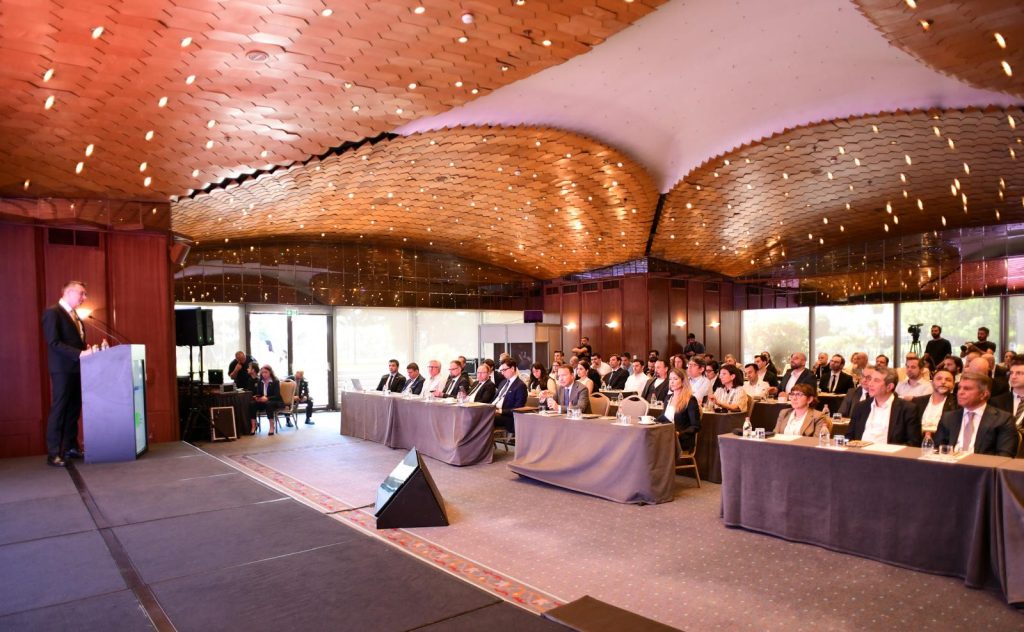
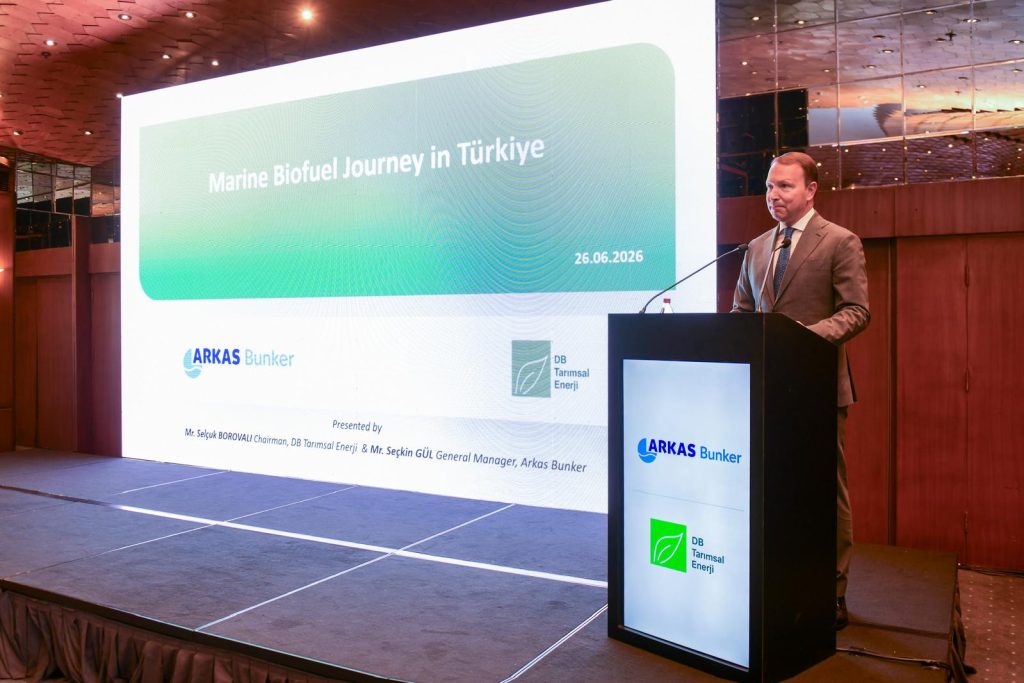
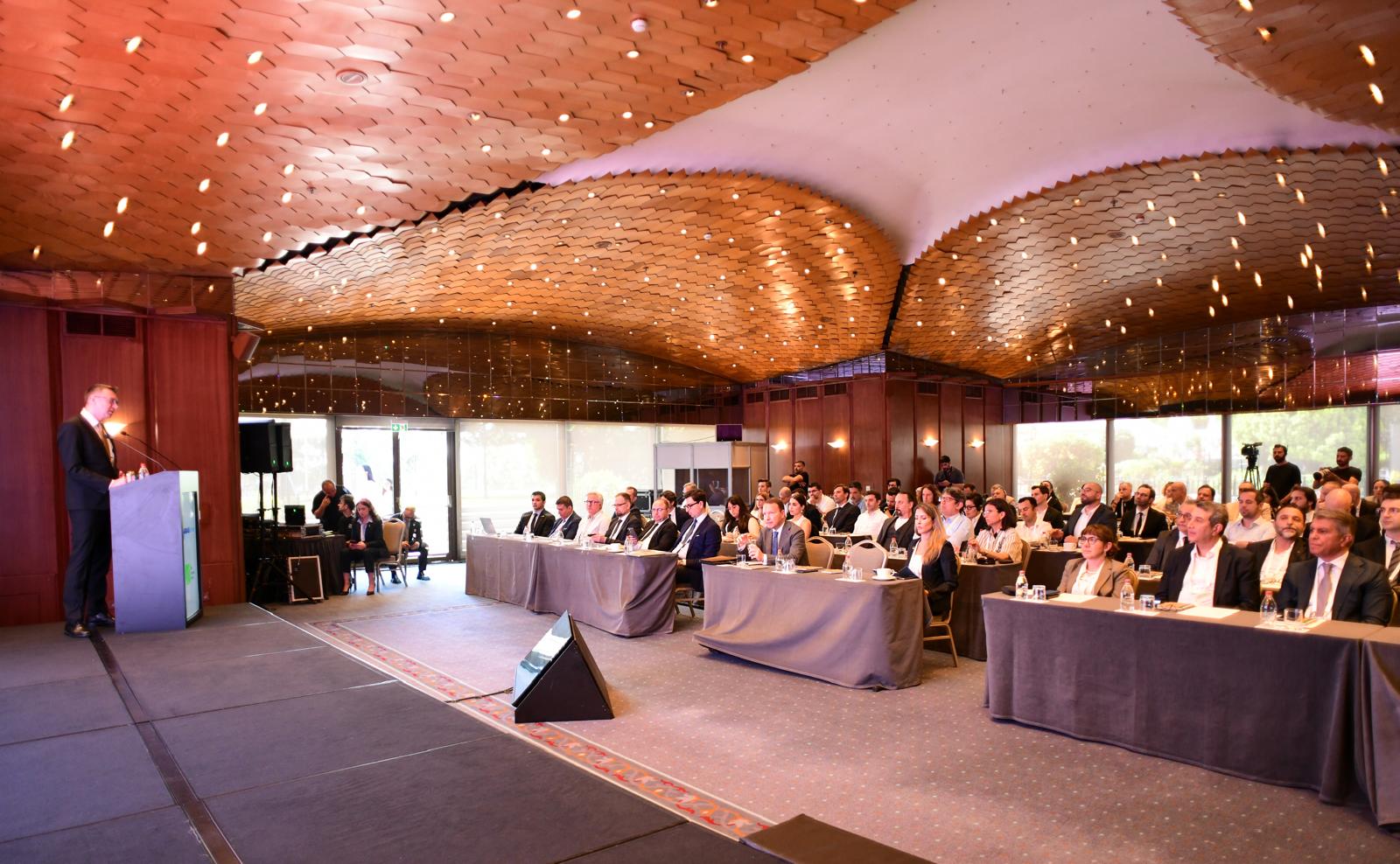
The opportunities created by this transition for Türkiye’s maritime sector and the regional fuel supply chain were addressed at the technical seminar titled “Biofuels in Shipping: Sustainability, Technical Compliance, Operational Experience and Future Outlook,” organized by Arkas Bunker and DB Tarımsal Enerji in Istanbul. Held at the Hilton Bosphorus Istanbul, the event covered the technical requirements of biofuel use, certification processes, engine compatibility, field applications, preparations for regulations, as well as case studies and their outcomes, while also evaluating opportunities for cross-sector collaboration.
“This is a model that transforms waste into a strategic energy resource”
In his remarks, Selçuk Borovalı, Chairman of the Board of DB Tarımsal Enerji, emphasized that the biofuel transition creates an integrated value chain extending beyond the maritime sector to waste management, agriculture, energy, transportation, and industry.
Borovalı stated, “What we are addressing today goes beyond an alternative fuel; it is a holistic model that transforms waste into a strategic energy resource, supports the circular economy, and contributes to low-carbon growth targets. Converting used vegetable oils into marine fuel in a traceable, certified manner and in compliance with international standards generates significant added value both environmentally and economically. In this process, it is not only the production of biofuel that matters, but also ensuring that the product holds internationally recognized sustainability certifications.”
Borovalı, noting that a green transition in the transport sector is only possible with a reliable and traceable supply chain, continued: “Transitioning to sustainable, low-carbon fuels in shipping requires reliable supply chain management at every stage—from feedstock procurement to production, from certification to bunkering. The use of waste vegetable oils collected entirely within Türkiye not only strengthens feedstock supply security but also significantly reduces the carbon footprint of the final product. This approach is one of the key factors improving the competitiveness of our business model.”
“Since embarking on this journey in 2022, the model we have developed together with Arkas Bunker has once again demonstrated that Türkiye can become a strong supplier and a regional solution hub for sustainable marine fuels. The marine fuel we produce from waste vegetable oils collected in Türkiye fully complies with international technical standards and can be used in vessels without requiring any technical modifications. Moreover, with greenhouse gas emission reduction potential of up to 93.7%, it offers a robust solution capable of competing with similar products in Europe. From a price-performance perspective, the model we have developed holds a highly competitive position among comparable applications on a global scale.”
“We See Biofuel as a Proven Solution in Practice”
Seçkin Gül, General Manager of Arkas Bunker, stated that the pace of fuel transition in shipping can only accelerate through solutions that are technically feasible, commercially viable, and aligned with regulations.
Gül said, “The transition to low-carbon fuels in shipping is no longer a long-term goal—it is today’s priority. At Arkas Bunker, we view biofuel not merely as an environmental alternative, but as a solution that is compatible with existing vessel infrastructure, proven in real-world operations, and supportive of the sector’s compliance with regulations. We have been continuing our operations for over two years. During this period, we have completed 60 bunkering operations across 32 different vessel types, supplying more than 15,000 tons of fuel and achieving an emissions reduction of 14,500 tons. Our biofuel infrastructure is ready, our products are ready, and the regulatory framework is in place. We are pleased to contribute to Türkiye’s green maritime transition by continuing to share the experience we have gained through our own operations with the broader industry.”
Drawing attention to the growing role of carbon intensity in vessel operations, Gül stated, “Carbon cost will increasingly influence a wide range of areas—from fuel selection to route planning, and from customer preferences to financing conditions. For this reason, access to low-carbon fuels will not only be an environmental responsibility for the maritime sector, but also a key component of commercial competitiveness. Strengthening Türkiye’s capabilities in production, supply, and bunkering, as well as strengthening collaboration among producers, suppliers, and end-users, is of great importance for regional competitiveness.”
Prof. Dr. Mustafa İnsel, in his presentation, addressed the international regulations shaping the maritime sector as well as the latest developments in the use of biofuels. Emphasizing that biofuels will play a critical bridging role in the transition to low-carbon fuels, İnsel underlined the importance of taking concrete steps starting today for the sector to achieve regulatory compliance.
Erdem Soyek, Deputy General Manager of Arkas Maritime Fleet, shared Arkas’s experience with biofuel use. While presenting the outcomes of operational applications, Soyek also conveyed the insights gained in integrating biofuels into existing vessel operations to the participants.
Everllence Sales Manager Serhat Hazar Sağlam addressed the practical solutions offered by biofuels in reducing carbon emissions across existing fleets. Sağlam noted that, thanks to their compatibility with current vessel and engine infrastructures, biofuels can play a significant role in supporting the maritime sector’s transition toward decarbonization targets.
OddyShip Software and Consulting Co-Founder Yusuf Özcan Demir highlighted the strategic and economic advantages that biofuels offer compared to alternative fuels, while emphasizing the importance of working with the right suppliers. Demir noted that, thanks to their compatibility with existing infrastructure, biofuels stand out as a practical and accessible option for the sector.
Serra Tükel, Sustainability Director of Arkas Maritime Group, evaluated the role of biofuels in accelerating the decarbonization of the maritime sector. Tükel emphasized the importance of operational practices and supply chain collaboration in achieving sustainability goals.
Aligning with the IMO’s net-zero target for 2050, Tükel outlined Arkas Line’s decarbonization strategy, stating: “There is no single pathway or one-size-fits-all solution to decarbonization in shipping. Depending on your fleet, the regions you serve, and your priorities, you need to draw on a range of different solutions. For our part, we see biofuels as the fastest, most effective, and most tangible solution currently available, and we are advancing our decarbonization strategy accordingly.”
An Opportunity for Türkiye to Become a Low-Carbon Marine Fuel Supply Hub
One of the key topics highlighted at the meeting was Türkiye’s potential to become a regional supply hub for low-carbon marine fuels. With its strategic geographic location, strong port infrastructure, advanced logistics network, maritime expertise, and domestic biofuel production capacity, Türkiye is well positioned to play a significant role across Mediterranean, Black Sea, and European trade routes.
The model jointly developed by Arkas Bunker and DB Tarımsal Enerji supports this potential with tangible operational experience. It was also emphasized that the green transformation in shipping will gain momentum through stronger collaboration among public authorities, the private sector, fuel producers, engine technology providers, shipowners, ports, logistics companies, and financial institutions.
Biofuels Stand Out as a Practical Solution for the Transition Period
Among alternative fuel options, biofuels are considered one of the most viable solutions for the transition period due to their compatibility with existing vessel infrastructure and their immediate applicability in real-world operations. Unlike many alternatives that require new vessel investments, extensive system modifications, or long-term infrastructure transformations, biofuels offer a solution that can be integrated into current operations more rapidly.
Arkas Bunker’s experience in marine fuel supply and field applications, combined with DB Tarımsal Enerji’s biofuel production and certification infrastructure, creates not just a product-based offering but an end-to-end value chain approach in this field. The model, in which used vegetable oils are converted into marine fuel through traceable and certified processes, brings together waste management, renewable energy, maritime, and logistics sectors within a single integrated framework.
This structure not only contributes to bringing waste back into the economy, but also strengthens Türkiye’s position as a regional player in low-carbon fuel supply. In this way, biofuel stands out not merely as an environmentally friendly alternative, but as a strategic solution in terms of readiness for carbon regulations, operational compatibility, commercial sustainability, and domestic supply capacity.