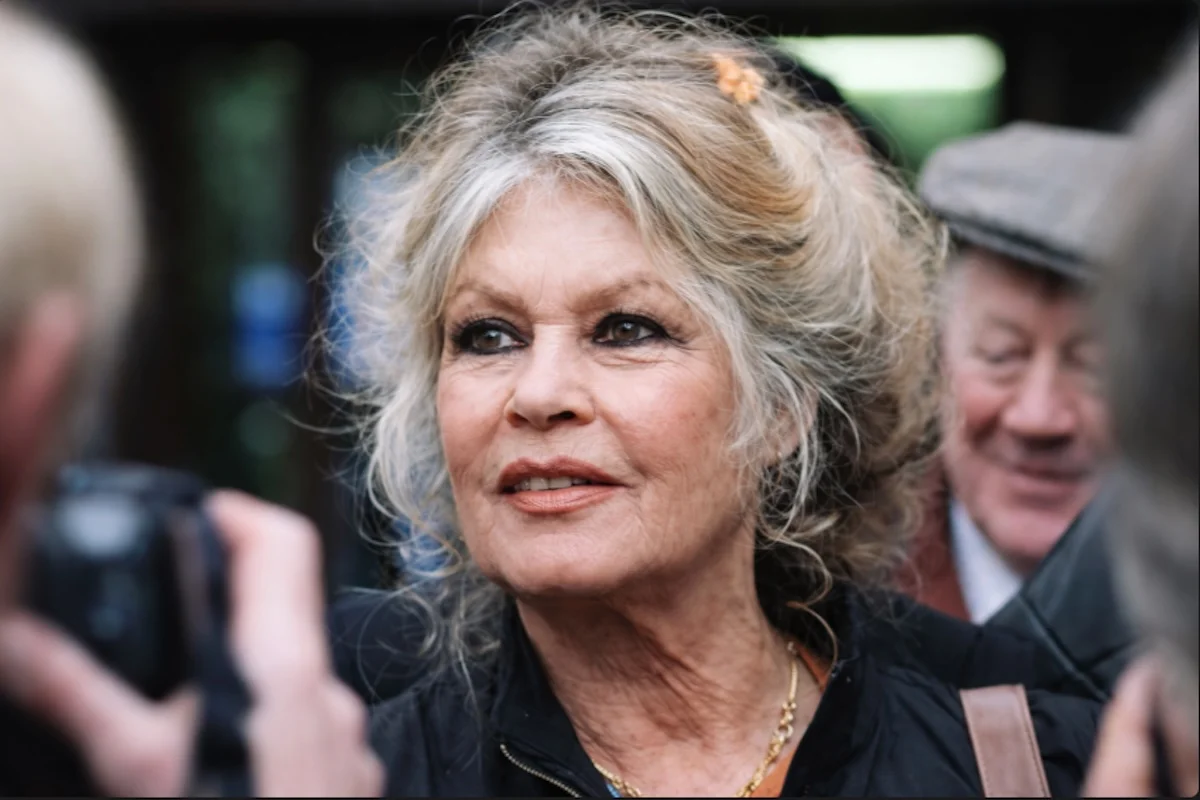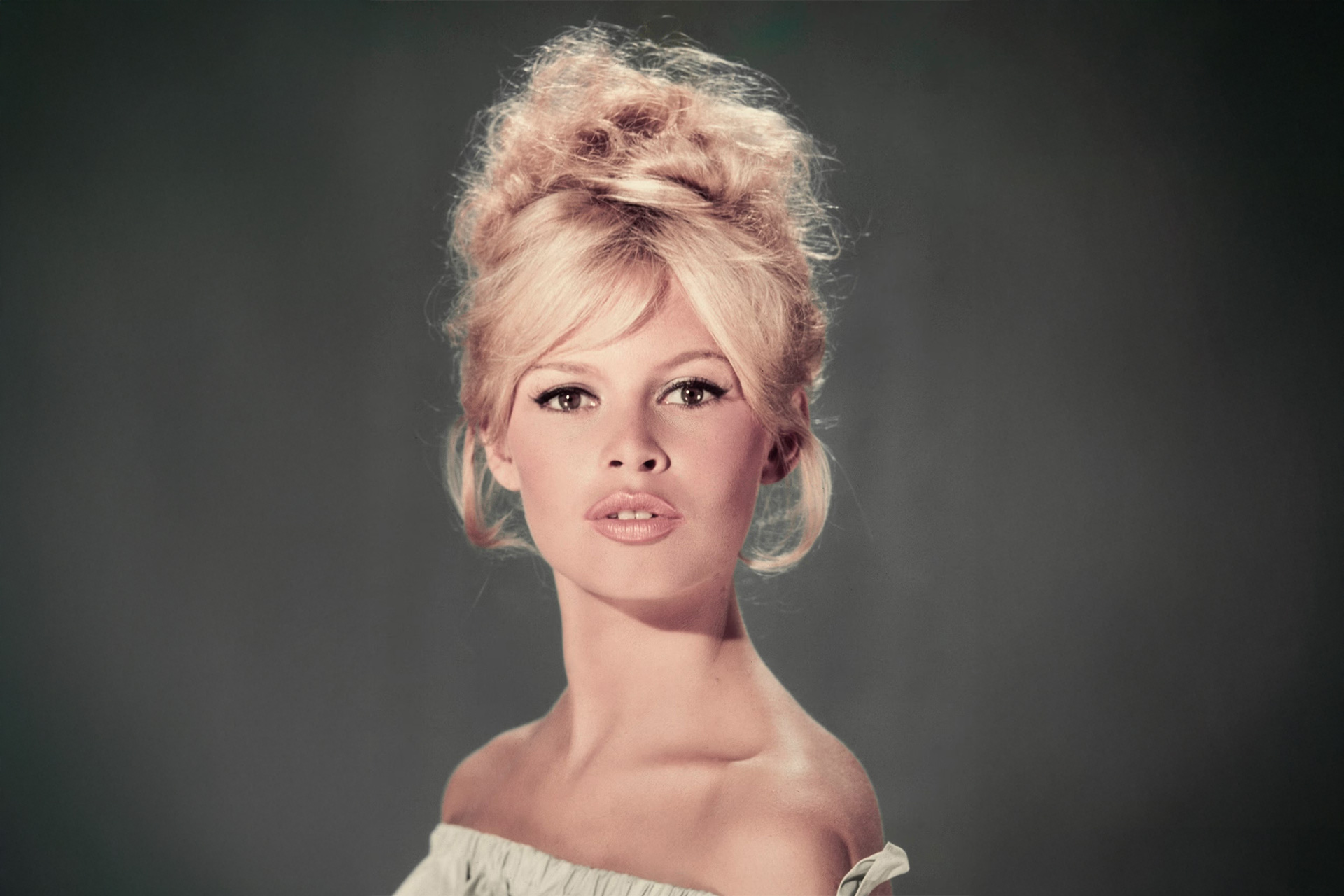

Brigitte Bardot was a fortunate child born in Paris, but she always considered herself ugly. Though she was often told she was beautiful in her adolescence, she perhaps never overcame the “ugly” image ingrained in her mind. While the world was in awe of her beauty, she said goodbye to cinema at 40. Even 51 years later, she has not faded from memory.
Referred to by French President Charles de Gaulle as “a French export as significant as Renault automobiles,” viewed by philosophers as a catalyst in “the liberation of women,” recognized as one of the pioneers of women’s sexual revolution, depicted in Andy Warhol’s works, and a force that shaped fashion trends, Brigitte Bardot was a legend while living, while withdrawn from public life, and even when she passed away last December in Saint-Tropez, made famous through her. Shall we attempt to get to know this very controversial woman more intimately?
BB, whose full name was Brigitte Anne-Marie Bardot, was born in Paris on 28 September 1934. She was the first child of a wealthy and intellectual French family.
A Strict Father, A Favoring Mother
Her father, an engineer and owner of several factories, was a very strict and conservative Catholic. Her mother was the daughter of a director of an insurance company. Thanks to her well-to-do family, she did not suffer much from the hardships of the Second World War, but her real deprivation was the lack of affection within the family. With her braces and prescription glasses, she was the ugly duckling. Her mother was devoted to her younger daughter, Mijanou, and constantly praised her beauty. She was always obsessed with her appearance, yet she never turned to cosmetic surgery. The moment she noticed signs of aging on her face, she left cinema. Though that was not the only reason. We will come to that as well.
The family home had nine bedrooms, and they spent weekends and holidays at their chalet in Louveciennes, yet she often felt lonely as she had very few friends. Her father was obsessed with propriety and never relented, even for his young children. When she and her sister broke one of the family’s valuable vases, they were subjected to a very cruel punishment: twenty lashes. And that was not all. Her father said, “This is no longer your home. From now on, you will address us formally, as if we were strangers.” For small children, this was a wound whose marks were harder to erase than those of the whip. As punishment for another act of mischief, her beloved rabbit was served on the dining table as a stew, and she was forced to eat it.
Many have linked BB’s rebelliousness and her boundary-pushing lifestyle to these childhood traumas. At the first opportunity she found, she would raise the flag of rebellion against her family.
A Career That Began with Dance
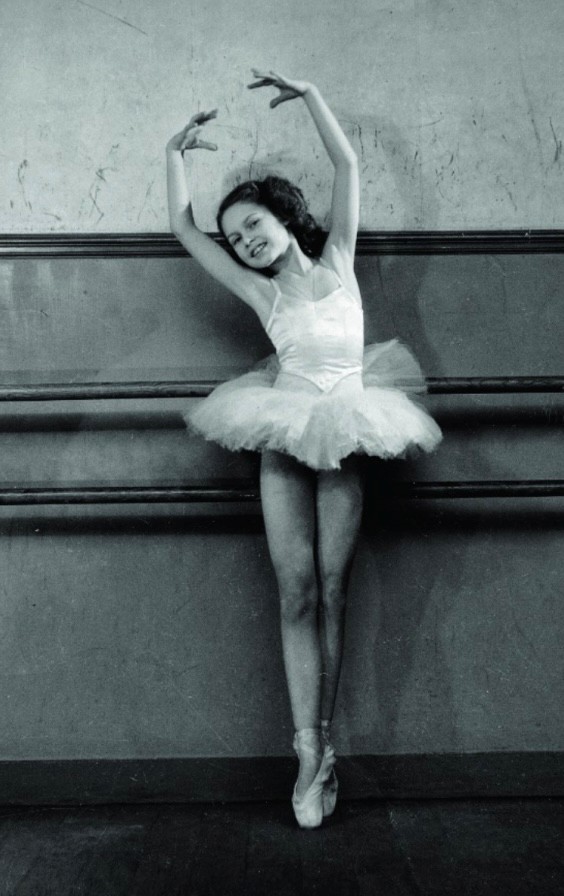
Her mother found a last resort in enrolling the ugly duckling in dance classes to keep her occupied. At ballet school, her talent fully emerged. While studying at the private Catholic high school Institut de la Tour, she was admitted to the Paris Conservatory at the age of 14. Despite being highly talented, she left the conservatory. She had little tolerance for disciplined work.
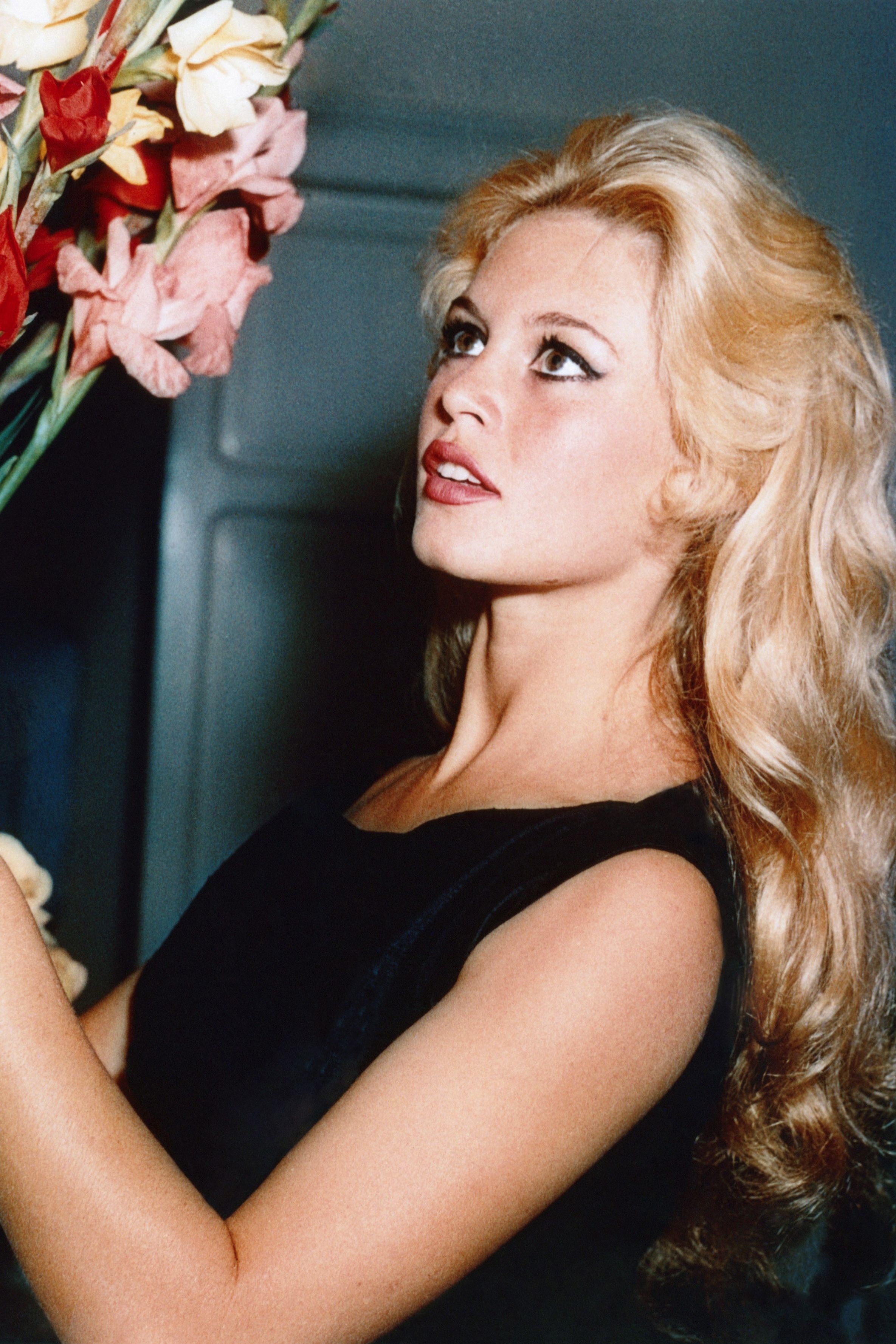
Trusting in her beauty, her mother enrolled her in a modeling agency. This was the moment when BB’s perception of her own beauty began to change. At just 15, she drew all attention as a cover girl for Elle magazine and started receiving offers for acting. Naturally, her family objected, but with her grandfather’s support, she stepped into acting in 1952 with a small role in the film Crazy for Love. She fell madly in love with Roger Vadim, whom she met at a film audition. Her family opposed the relationship, and her father announced that he would send her to England to continue her education. BB responded to her father’s threat by thrusting her head into a burning oven. Had her mother not arrived at the last moment, that beautiful face would have been burned and the world would never have known her. Her family consented to the relationship on the condition that she marry at 18.
And God Created Woman
The film Girl in the Bikini, which launched the bikini trend worldwide, was released in 1952. In the same year, she married Roger Vadim. Although she took on many roles and received some awards, BB’s career and destiny changed with And God Created Woman (1956). It was Vadim’s first film as a director and told the story of an immoral young woman in a respectable town. The film was not a commercial success in France and faced harsh criticism. While it could have marked the end of BB’s career, the attention it received in the United States altered the entire story. Banned in many states, the film became a global sensation. Despite all restrictions, it became the highest-grossing foreign film in the US. She was now an international star and a sex symbol. The world now had two blonde bombs: Marilyn Monroe and Brigitte Bardot.
In 1973, before reaching the age of 40, she stepped away from the entertainment world. Her last film was Hayatimin Gunesi, and even so, she continued to be a pop icon. Until she retired, she acted in 47 films, appeared on stage in several musicals, and produced more than 60 songs. Though she fled the screen as soon as she felt herself aging, she managed to fit many works and successes into her career. During her retirement, being consumed as a product, enduring media harassment, and, despite the immense attention she attracted, becoming an “object of hatred” for some were also influential factors.
From a Traumatized Child to a Trauma-Causing Mother
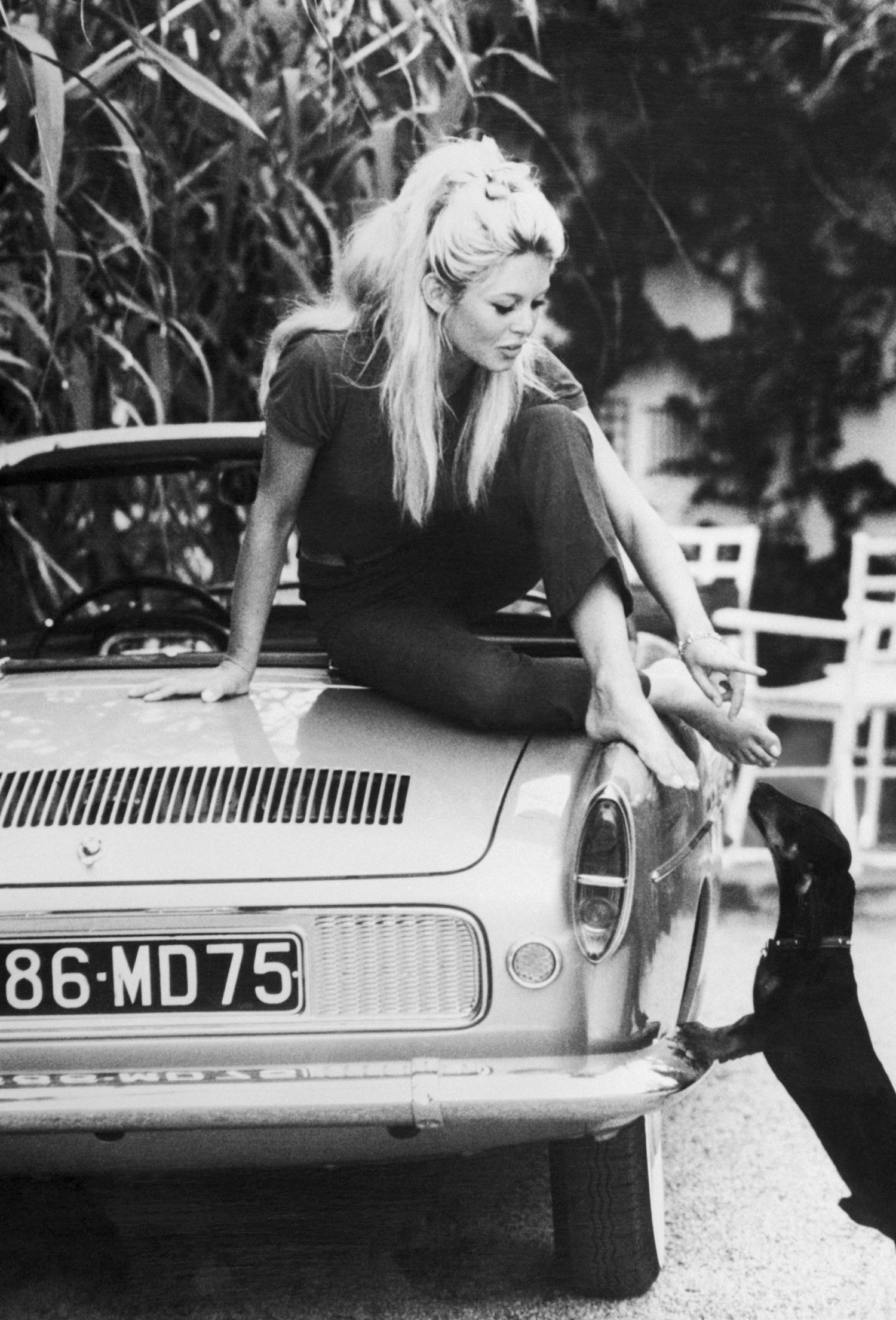
She married four times and divorced three times. Her first three marriages lasted only three or four years each. Her marriage to Bernard d’Ormale in 1992, however, continued until her death. Loves, suicide attempts, marriages, divorces, betrayals, countless lovers, countless scandals, and a constant need to hide… She loved walking barefoot through the streets of Capri, naturalness, animals, and nature. But she had become unable to breathe under the terror of the media.
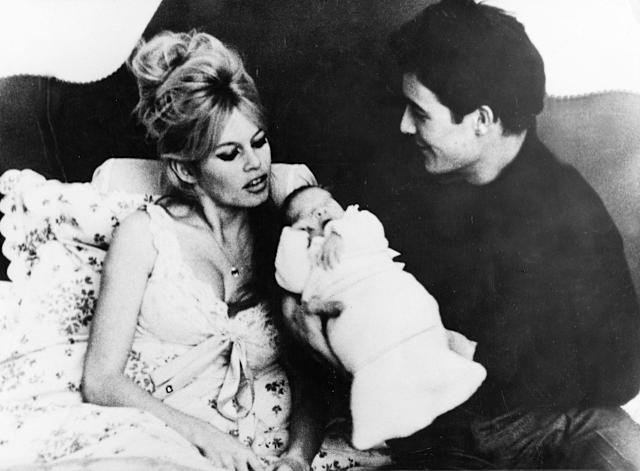
When she married actor Jacques Charrier in 1959 in Louveciennes, where their chalets were located, she was two months pregnant. While they intended to have a small, modest wedding, journalists stormed first the church where the ceremony was held and then the chalet; they jumped over fences and climbed trees to capture a photograph. BB once again experienced the feeling of being invaded. Fame was weighing heavily on her. Moreover, she was not at peace with her pregnancy. She had never wanted to become a mother. The media surrounded her apartment in Paris where she spent her pregnancy. Journalists tried to enter the building disguised as nuns, electricians, or postmen. She went through her pregnancy behind closed curtains without seeing daylight, and the birth had to take place at home. When her son Nicolas-Jacques Charrier was born on 11 January 1960, she did not even want to breastfeed him. In her biography, she confessed her reservations about motherhood in deeply hurtful words. When they divorced in 1962, custody of the child remained with his father. At the age of 12, Nicolas wanted to move in with his mother, but when BB refused, he turned away from her; from that day on, he rarely spoke to her. Years later, when he married, he did not invite his mother to the wedding; she was not eager to bring together her children and grandchildren.
At the peak of her fame, some wished for her to marry the handsome actor Alain Delon, her co-star, and to bear the most beautiful children in the world. Yet she knew she was not cut out for motherhood. In one interview, she stated, “I was not capable of being a mother. I was the one who needed a mother.”
A Lifetime and Wealth Dedicated to Animal
Following her elegant farewell to the screen, she posed for Playboy magazine in 1974, as it marked its 40th anniversary. After that, she sank into profound silence. Even when she wanted solitude, she could not avoid the boats eager to show tourists BB’s home. She remained largely unseen for years, until in 1977 she saw the tragedy of hunted seals. Together with activists, she went to Canada and took iconic photographs with seals on the ice. Yet this act was poorly received in many countries, especially in France. She was criticized for once being a sex symbol and for having been an inattentive mother. Hurt by the campaign conducted against her, she withdrew once again.
It would take her nine years to reappear in public. In 1986, she founded the Brigitte Bardot Foundation and financed it by auctioning off her jewelry and personal belongings. She became so carried away during the auction that she eventually put the auctioneer’s gavel up for sale. She had always been like that—pushing boundaries, surrendering to her excitement. That same year, she became a vegetarian.
As an activist, she sometimes wrote to the President of China to protect bears, sometimes asked the Queen of Denmark to safeguard dolphins, and sometimes provided assistance for the sterilization of stray dogs in Bucharest. In a documentary, she said, “I spent my youth and beauty on men. I want to spend my wisdom and my existence on animals.”
She was frequently criticized for her support of far-right views, accused of racism, and put on trial.
In 1985, she was awarded the Legion d’Honneur. She was a member of the United Nations Environment Programme’s Global 500 Roll of Honour and received various awards and recognitions from UNESCO and People for the Ethical Treatment of Animals (PETA).
She lived fast but did not die young. She never underwent cosmetic surgery and became a legend while still alive. On 28 December 2025, she closed those magnificent eyes forever. The son she called “the person I love most in this world,” her grandchildren, and her son’s grandchildren took their places at the funeral. For the first time, the entire family was together.