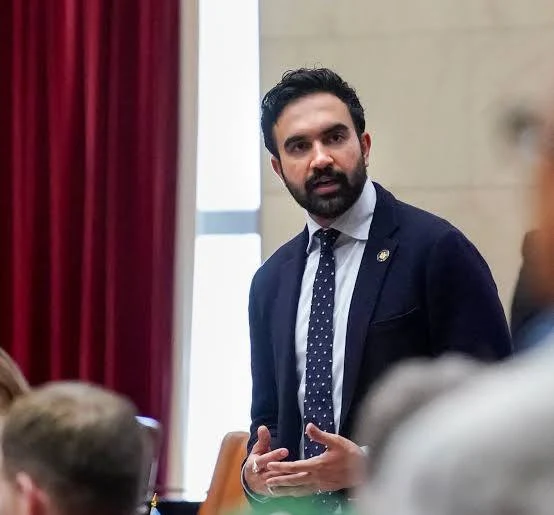
Zohran Mamdani – widely expected to win New York’s mayoral race, talked about for both his story and his character as well as his campaign, and ultimately elected – is seen by some as a revolutionary and by others as a showman who will lead the city to disaster.

The President With Big Charisma and A Small CV: Zohran Mamdani / Demet Cengiz
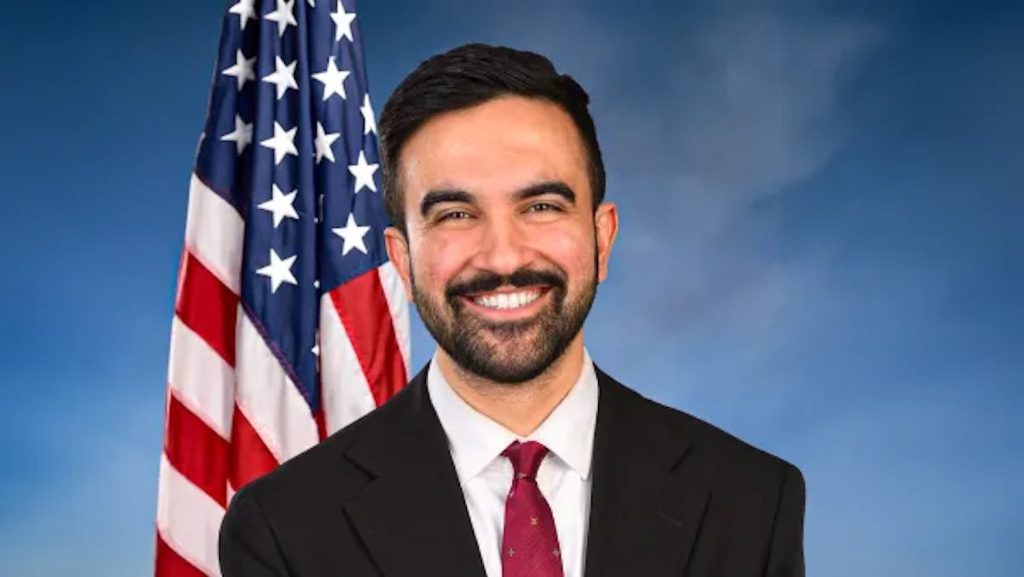

Born on October 18th, 1991, in Kampala, the capital of Uganda, Zohran Kwame Mamdani is almost like the perfect cast created under the influence of woke culture. Asian and African, Muslim and social democratic, young and cheerful… New York’s first Indian American, first Muslim, first Gen Y, and its second democratic socialist mayor. Although he appears to be the antithesis of U.S. President Donald Trump, they share many similarities. Let’s take a closer look at Mamdani and also examine these parallels.
He is the son of Indian-origin academic Mahmood Mamdani and Indian-origin filmmaker Mira Nair. His mother received her bachelor’s degree, and his father received his PhD from Harvard University.
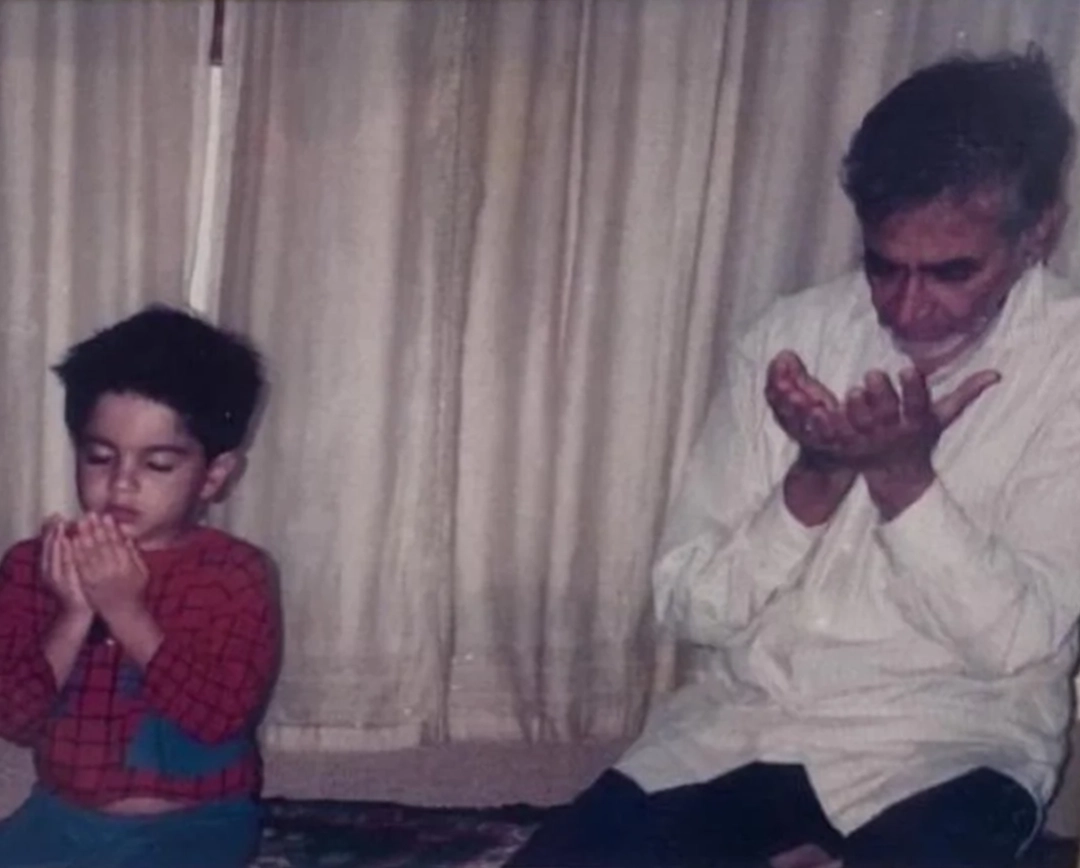
He is at peace with both his Indian roots and his African identity through birth, as well as his Shia Muslim background. A living embodiment of multiculturalism in one person… His surname, Mamdani, comes from Gujarati, spoken in the Indian state of Gujarat and means “Muhammadi.” Kwame is a name chosen according to Ghanaian culture and means “born on Saturday.” Zohran, meanwhile, is both Arabic and Persian; it carries meanings such as light, radiance, and blossoming.
When Mamdani was five, his family moved to South Africa, and when he was seven, they immigrated to the United States. He graduated from the Bronx High School of Science and received a bachelor’s degree in African studies from Bowdoin College in 2014. He obtained U.S. citizenship in 2018. Because he was not born in the United States, current law does not allow him to become U.S. president—but there are already people dreaming of this possibility.
A RAPPER, ADVISOR, ACTIVIST
Some see him as a privileged activist who never truly had to work. Apart from his role as a housing advisor in Queens, New York—where he fought against the eviction of low-income homeowners, a job many do not consider “real”—he has no significant work experience. Under the name Mr. Cardamom, he made rap music and shot quirky music videos.
Presenting himself as the people’s candidate and organizer, Mamdani’s state assembly profile reads: As life took its inevitable turns, with detours in film, rap, and writing, it was always organizing that ensured that the events of our world would not lead him to despair, but to action.
He is a restless spirit who believes in being active for a better and fairer world. After his music career, he entered local New York politics by serving as a campaign manager for Khader El-Yateem and Ross Barkan. A member of the Democratic Party and the Democratic Socialists of America, Mamdani has represented the 36th district in the New York State Assembly since 2021.
FROM ZERO TO THE TOP
When he set his sights on becoming New York’s mayor, his polling numbers were at zero. By defeating Andrew Cuomo in the Democratic primaries, he signaled that he was on his way to the top. In the mayoral election, Mamdani not only beat independent candidate Cuomo and Republican candidate Curtis Sliwa, but also overcame the business elites, who were uncomfortable with his socialist rhetoric.
His campaign, which began with a promise to tax the wealthy, included pledges such as free city buses, public childcare services, municipally owned markets, rent freezes, and increased affordable housing. He proposed giving “baby baskets” filled with essentials like diapers and bottles to families with newborns. Leading progressive figures like Bernie Sanders and Alexandria Ocasio-Cortez endorsed him.
Even though 50 percent of the donations for his campaign came from outside New York, he won his votes from New Yorkers and will take office on January 1, 2026, to manage the city’s $116 billion budget. Many believe that, due to his lack of work experience, he will lead the city toward disaster and that his promises are unrealistic. But a large portion of the population—especially young people and women—expect revolutionary change from him and are willing to give him a chance. With his qualities, ideology, campaign, and lifestyle, he has captured global attention. He has already become one of the most prominent examples of the new generation of politicians.
SMILING AND OPEN
Zohran Mamdani’s most defining trait is his constant, gentle smile. He is always smiling and speaks while maintaining eye contact. Rather than behaving like a master politician who strategically plans every gesture and expression, he comes across like a friendly neighborhood shopkeeper you run into all the time. The fact that he is so present on the streets, among the people, acting in such an ordinary and relatable way, is exactly what sets him apart.
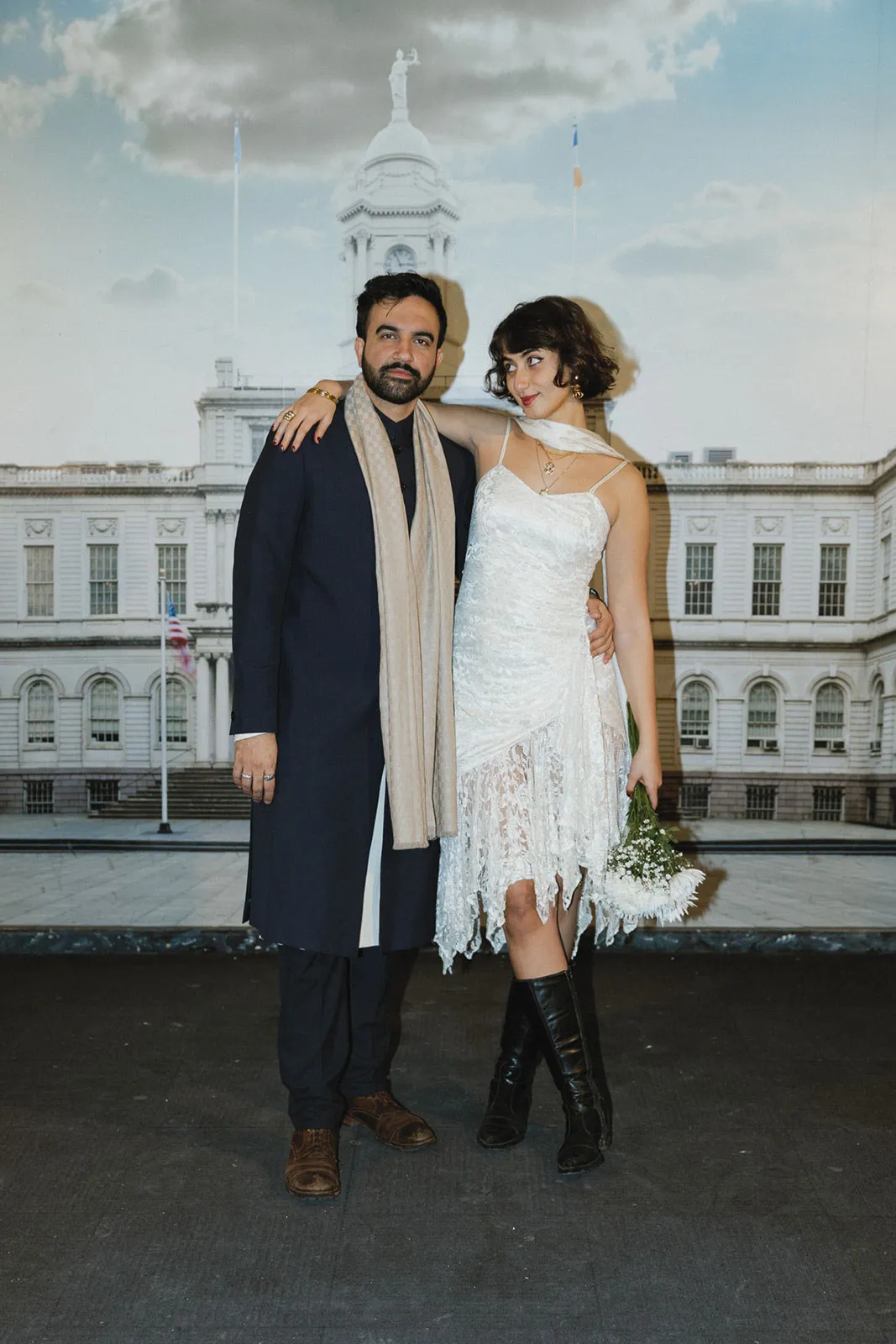
He married Syrian American artist Rama Duwaji in 2025, whom he met on the dating app Hinge. The couple took the subway to their civil wedding ceremony and now live in an apartment in Astoria, Queens.
He also chooses to remain transparent about his origins, his ideas, and his private life. He draws attention to the tragedy in Gaza and expresses his views on Palestine clearly. Although he has been accused of being antisemitic, he also openly opposes antisemitism. Some Jewish businesspeople and organizations supported his campaign as well. Just as he embraces all his own identities, he connects with those who do not share them too. One moment he is eating pilaf with his hands, another he is attending Friday prayers, and right after the election, he is visiting a synagogue. Because he is someone who does not find differences strange, his presence in a wide range of places is likewise not found strange. In one video he speaks Hindi–Urdu, and in another, Spanish.
SIMILARITIES WITH TRUMP
Although they may seem like opposites, US President Donald Trump and newly elected New York Mayor Zohran Mamdani share similar traits. Yes, one is on the right and the other on the left, but both are unconventional figures. Neither is politically correct. At times, both are seen as distant from bureaucracy or even unserious. They openly express who they are and what they believe. They do not bend or soften their views just to appear likable. Both act against the established order. Both promise major change. In the coming days, we will see how the relationship between these two—so different yet so similar—will take shape.