


Freight forwarding, which plays a critical role in the transportation and logistics sector, forms the backbone of global trade. Despite this, the industry still largely relies on fragmented, paper-based, and manual processes. This results in operational inefficiencies, delays, increased risks of errors and fraud, and limited service transparency. In Türkiye, the growing local and international competition—driven by both horizontal and vertical integration strategies of global liner operators—has significantly compressed the profit margins of freight forwarders, making service differentiation through digitalization a strategic imperative.

Service Differentiation Through Digitalization in Freight Forwarding / Diane Arcas Göçmez
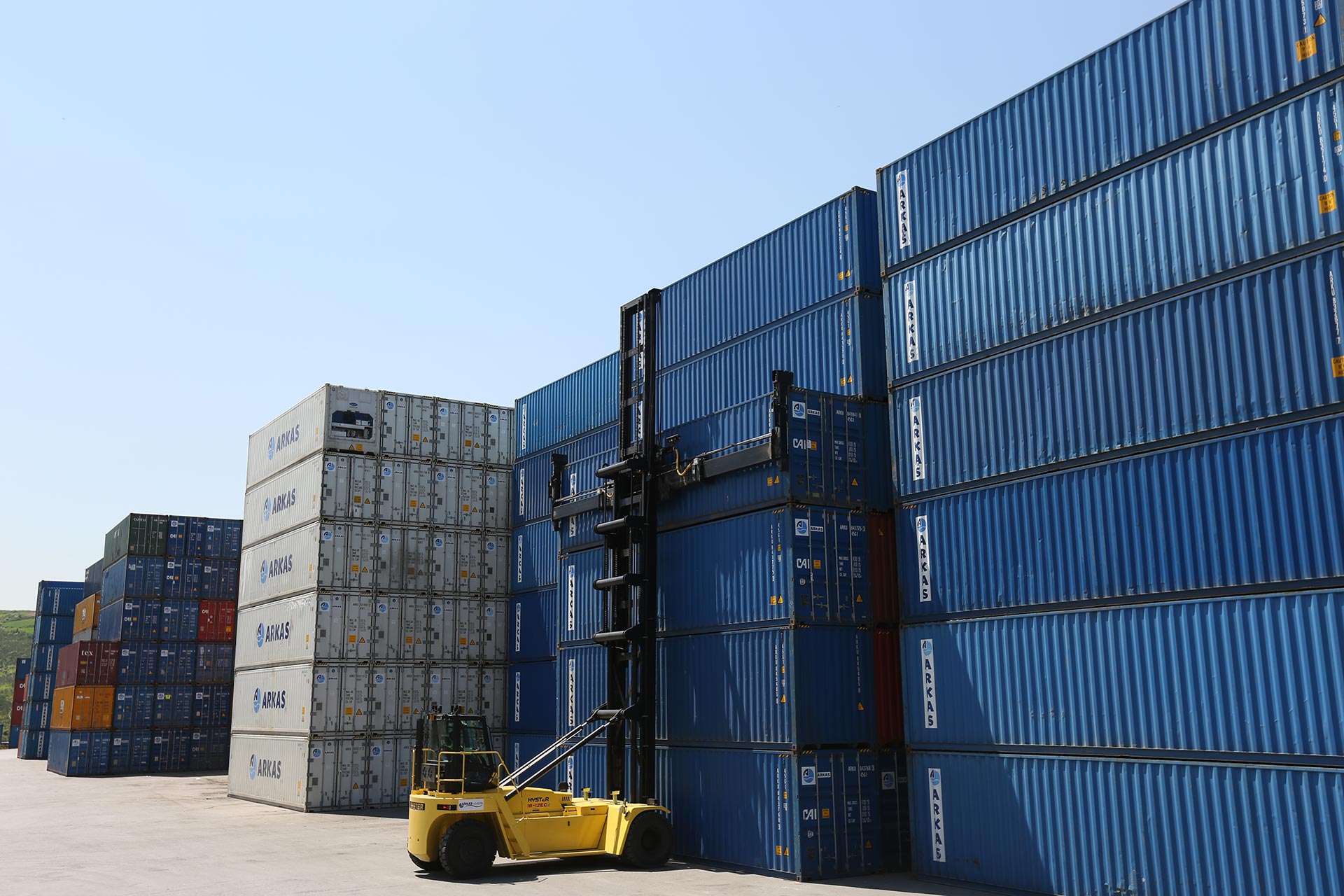

This report examines a pilot digitalization initiative implemented within the export freight forwarding unit of a logistics company operating in Türkiye, which accounts for approximately 50% of the company’s total revenue. The objective of the study is to assess how emerging digital technologies can mitigate long-standing operational challenges, improve customer service quality, and create the potential for a sustainable competitive advantage. The analysis focuses on the end-to-end transportation process, spanning from booking and documentation management to container tracking, bill of lading issuance, and final delivery.
In the traditional freight forwarding model, several structural weaknesses have been identified, including manual document preparation and verification processes, slow transmission of bills of lading, lack of real-time container visibility, high administrative costs, discrepancies among HBL–MBL–manifest data, limited auditability, and exposure to fraud risk. These issues not only negatively impact customer satisfaction but also constrain the service provider’s ability to deliver value-added and differentiated services.
To address these challenges, the report evaluates the integrated use of Blockchain, the Internet of Things (IoT), Artificial Intelligence (AI), and Cloud Computing technologies. Blockchain enables secure, immutable, and instantly transferable electronic bills of lading through platforms such as CargoX and WaveBL, while IoT sensors (e.g., ORBCOMM) provide real-time container tracking and event-driven automation. Azure AI services support the automated parsing of unstructured emails and documents, document consistency checks, and predictive transit time analysis. Meanwhile, cloud services such as Azure Blob Storage and Azure Functions form the foundation for scalable data storage, system integration, and process automation.
Within the scope of the study, traditional and digitalized processes were comparatively mapped, and data sources, variables, and digital assets were identified. In addition, a comprehensive cyber risk assessment covering cloud, AI, IoT, and blockchain components was conducted; threats such as data breaches, key management vulnerabilities, AI manipulation, IoT spoofing, and phishing were analyzed, and appropriate mitigation strategies were proposed.
The findings indicate that a holistic and controlled digitalization approach significantly reduces document processing times, eliminates courier-related delays, lowers fraud risk, improves transparency, and enables customer-centric, predictive service models. The company’s existing ERP infrastructure, cloud investments, and strategic technology partnerships support the implementation of this transformation with manageable risks.
In conclusion, the report demonstrates that digitalization in freight forwarding, based on Blockchain, AI, IoT, and Cloud technologies, offers a viable and strategic pathway for service differentiation, operational resilience, and long-term competitiveness. However, the success of this transformation is directly dependent on phased implementation, shareholder alignment, robust cybersecurity governance, and continuous investment in digital capabilities.