Recent technological breakthroughs have brought about notable changes in consumer behavior and business processes. The growing popularity of remote work, the rise of e-commerce and virtual interactions, and innovations in automation and AI technology are all contributing factors. As a result, technology companies are diversifying their projects in these areas. For instance, Microsoft is offering users the chance to create “AI-assisted workers.” In its latest AI initiative, Microsoft allows users to create virtual employees who perform tasks such as supply chain management and customer service through AI-powered bots. Early adopters of this program include American consulting firm McKinsey and law firm Clifford Chance. Microsoft officials argue that this AI program will reduce the burden of mundane tasks, create more time for critical responsibilities, and improve business efficiency.
The effects of artificial intelligence on workers have become a major topic of interest in the business world. HP’s 2024 Work Relationship Index (WRI), which surveyed around 16,000 knowledge workers in 12 countries, provides valuable insights into the current state of work relationships. According to the index, employees with access to the right tools and technology—particularly AI-supported solutions—report significantly better work experiences. The report shows that AI usage among knowledge workers rose from 38% last year to 66% in 2024. AI users are 11 percentage points happier with their work relationships compared to those who don’t use AI. Furthermore, at least two-thirds of knowledge workers want personalized work experiences, and 87% are willing to forgo part of their salary to achieve this.
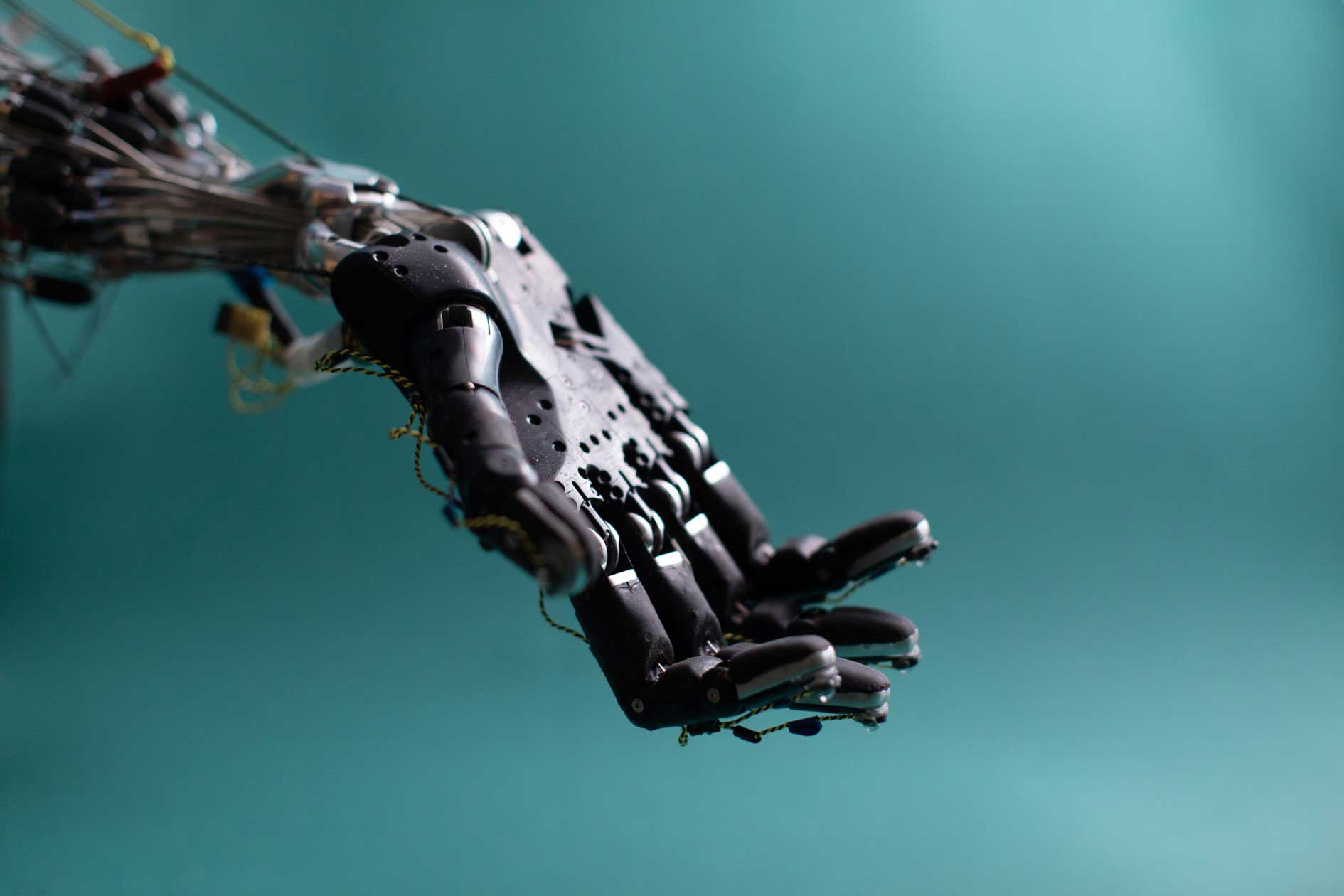
There have also been significant developments in research on robots’ sensory abilities, especially in relation to AI. Robots with a refined sense of touch are believed to have great potential in both scientific research and everyday applications. Meta’s efforts to give robots a human-like sense of touch have attracted attention, particularly through its partnership with U.S.-based sensor company GelSight and South Korea’s robotics firm Wonik Robotics. Together, they’ve focused on creating touch sensors for AI. Meta shared three research tools on its blog aimed at improving touch perception, dexterity, and human-robot interaction: Sparsh, Digit 360, and Digit Plexus.