Benefits of Upcycling
Eco-friendly products featuring the upcycling logo play a significant role in reducing environmental pollution and maintaining ecological balance. Additionally, small efforts to repurpose household waste can be highly valuable in supporting the zero-waste approach. Some of the environmental and societal benefits of upcycling include:
- Every item saved through upcycling contributes to a less polluted planet, ensuring a more livable world for future generations.
- Products that meet new needs through upcycling reduce production demand, leading to energy savings. Using less water, electricity, and natural gas supports environmental sustainability.
- As production demand decreases, both individual and global economic burdens are eased.
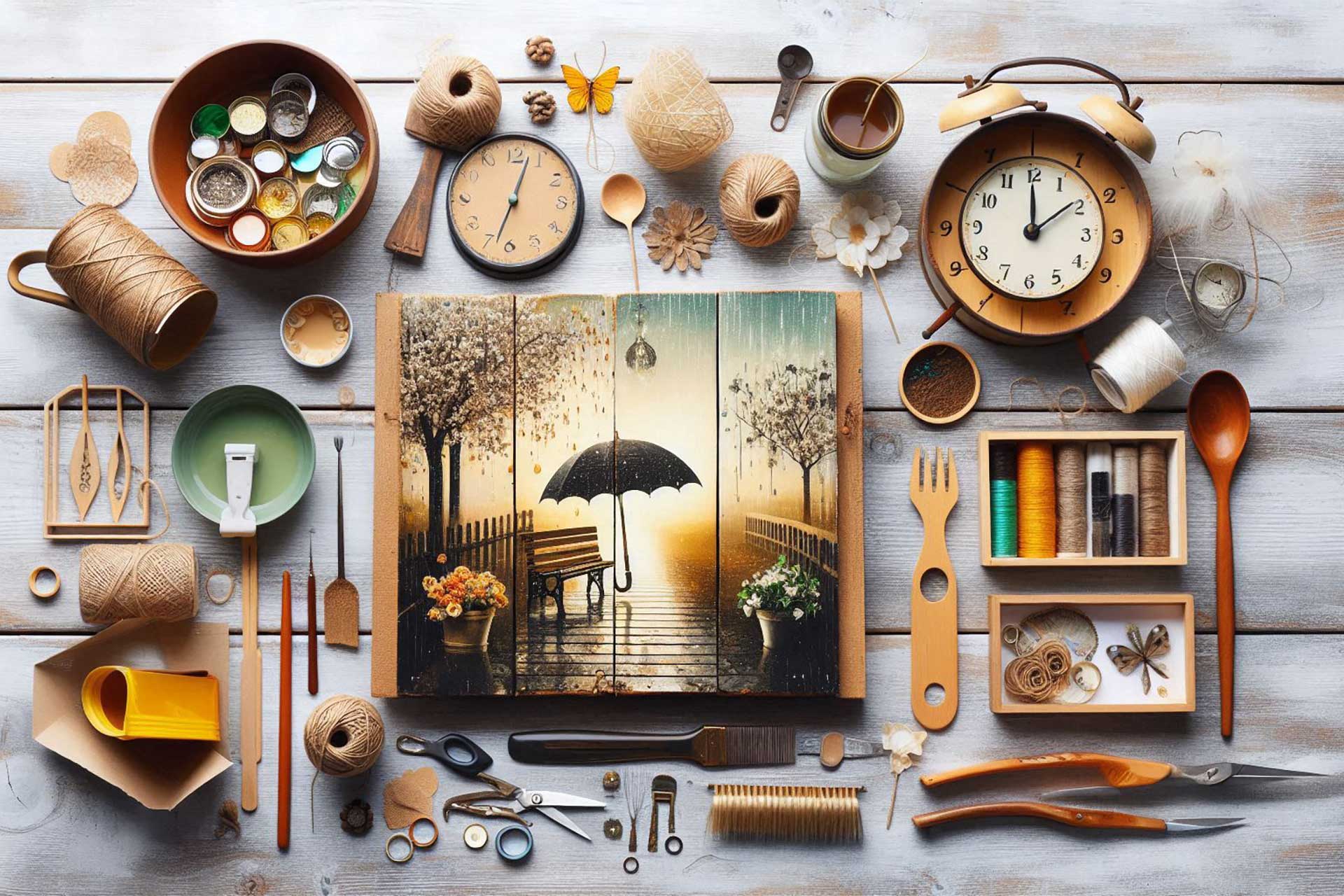
- Upcycling activities at home can become enjoyable hobbies. Collecting buttons from worn-out clothes in a jar or repurposing fabric scraps into new items fosters creativity and provides an escape from daily stress.
Notable Upcycling Initiatives
Several brands and artists have launched campaigns, projects, and creative approaches to promote upcycling within society. For instance, Barilla’s Secondhand Box campaign encourages customers to find new uses for pasta boxes. The campaign teaches people how to repurpose pasta boxes as packaging for second-hand sales, offering folding techniques and tips to efficiently fit products into Barilla’s signature blue boxes.
Bolt, Europe’s leading mobility and taxi platform, highlights the idea that streets should serve a greater purpose than just parking spaces. With this vision, Bolt designs street furniture using discarded car parts. Their Living Vroom project transforms old vehicle interiors into public seating areas, reinforcing the message: “Streets deserve to be more than just parking spots, because the best way to experience a city is by being out in it.”
In India, the Toy Storey Residence, built by Wallmakers for Toy Storey, features an exterior made from over 6,000 discarded toys, giving them a new life as playful building materials. The residence is designed to optimize ventilation and shade, ensuring a comfortable indoor climate, while its toy-covered facade adds a whimsical charm.
London-based multidisciplinary artist Anika Leila incorporates expired cosmetics into her paintings, merging fashion and illustration into a unique artistic expression. She repurposes old eyeshadow palettes to paint her canvases, making use of their diverse shades for intricate shading and color blending. Through this approach, Leila brings a distinctly feminine perspective to visual arts.
As research continues on eliminating plastic packaging from our lives, Germany-based Proservation has developed a promising alternative. Their packaging material named “Recou” is designed to replace Styrofoam with a biodegradable substitute made from grain husks. These husks are bound together using a special bio-based adhesive, offering the same protective qualities as Styrofoam while being fully compostable. It is said that Recou can also even be used as fertilizer.