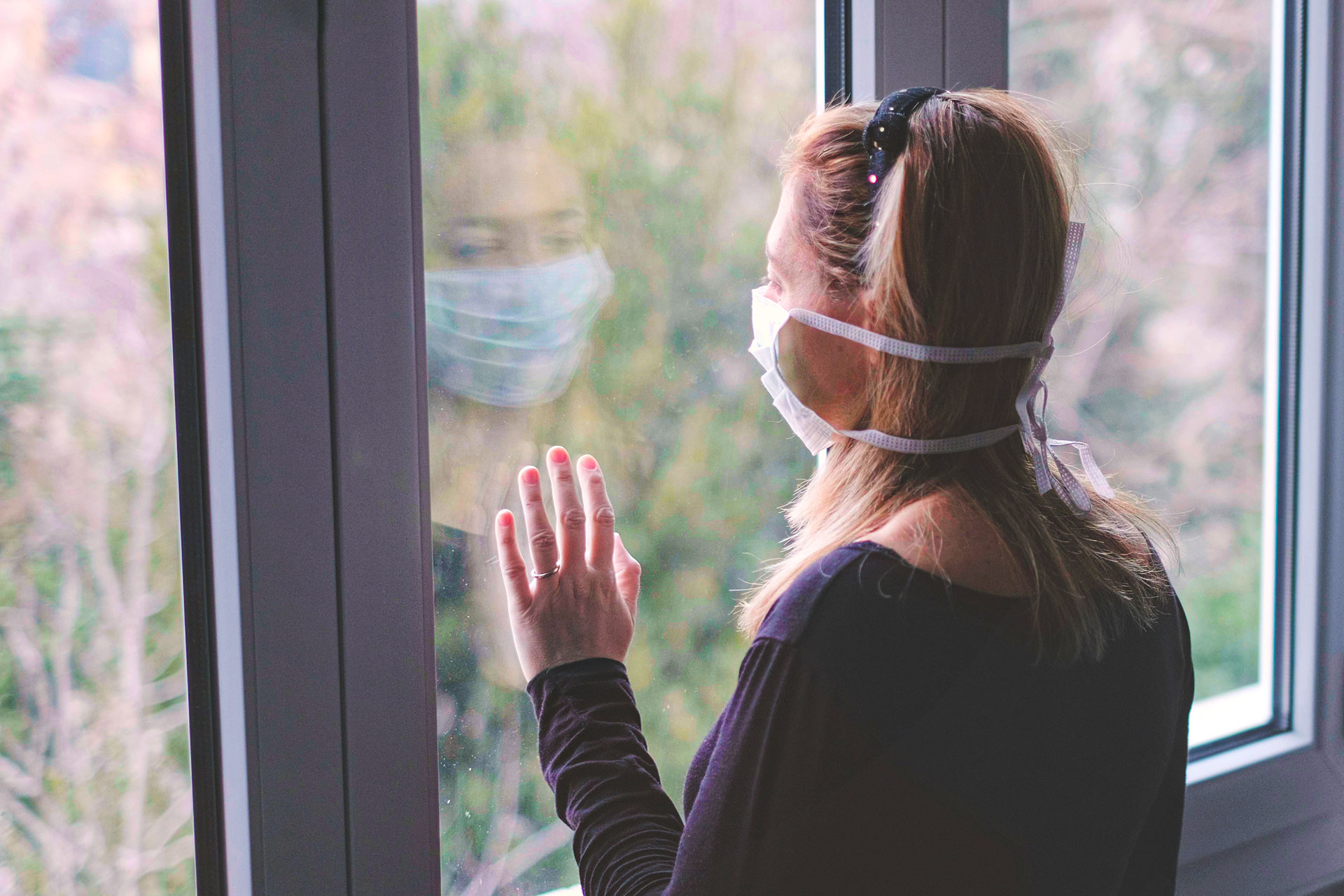
However, the prefrontal cortex has an Achilles’ Heel: stress.
It is easily out of the game when it encounters it. The current predicaments of inability to foresee the future, the constant exposure to bad news, increasing life losses and safety measures, which contributes to a constant fear, mostly disables the functions of the prefrontal cortex, which then prompts the subcortical primitive brain (responsible for survival) to decide on behalf of our person. The result is people rushing to market shelves, devoid of reason.
When fear meets uncertainty, anxiety and panic ensue. Social contagion plays a very prominent role in the widespreading of this panic. When we enter a market we are greeted with a scene where people in panic are emptying shelves. This creates fear in us and we start doing the same. We know that emotions, especially negative emotions, are contagious. This is called emotional contagion. In Dr. Sigal Barsade’s words “Emotions spread among people just like viruses do. This happens especially swiftly among people in the same workplace, impacting the abilities of reasoning and therefore decision-making.”
1. Be calm.
2. Create more time for doing what makes you feel good.
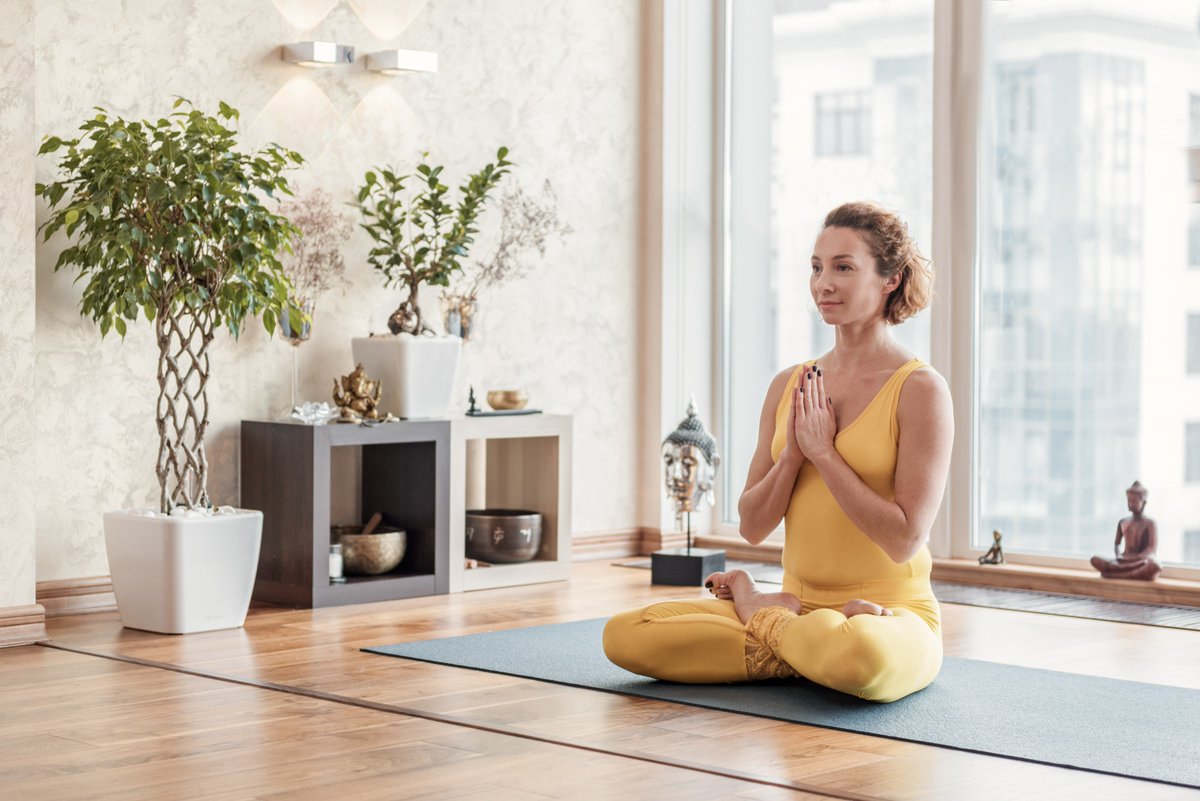
3. Meditate.
4. Connect to your environment.
Be calm. For this we need to stop and breathe. Staying still, calming down and watching our breath for even 15-20 seconds will help regulate our nervous system. During a time of fear and anxiety and consequent acting out of impulse, just stopping and feeling the contact between our feet and the ground can take us away from the emotional state and helps us act with cold blood and out of reason.
When you feel anxiety and panic during the day, remind yourself of your breath. Take a few deep breaths and closely watch these breaths. Then look what happens in your body in as short as 30 seconds: Do your hands get sweaty? Does your stomach strain? Does your heart pound? Just notice them, you don’t have to do anything about them. Just bringing your awareness into your breath will help your body regulate this stress reaction.
Create more time for doing what makes you feel good. Take more time doing what makes you feel good these days. These can be very simple things like reading a book, writing or listening to music. Constantly following news about the pandemic can increase our anxiety level. Therefore we will also need to put some distance between us and television and social media, to use the time we have for enjoyable things. We can use the extended time at home to do things we postponed before.
Meditate. Even if you have tried it before, you can still practice daily short breaks of meditation. It doesn’t matter how long you meditate in one sitting. Just remembering your breath and getting in touch with it, meditating for 5-10 minutes will help you correctly manage stress and regulate your emotion of fear rather than letting fear take over your actions.
Connect to your environment. This experience reminds us that we are social beings and it is immensely valuable for us to create real connections. It shows us that we are not independent of each other, that we are members to a system larger than us, to the society that we live in and to the world, and that our behaviours impact a larger area than we imagine.
We will get through these days too, together, but keeping our distance. We know from human experience, that everything we experience is temporary. This too. What matters is to act with the same diligence about ourselves and about everyone around us.
Burcu Yapar
Mindful Mind Consultancy Co-Founder and Mindfulness Coach.