Until a few years ago, stretching was only a complement to other sports. Many used to do stretching exercises at the end of training for a few minutes, without understanding its exact purpose. Today it has become an autonomous physical activity, fundamental for the maintenance of a loose and relaxed state of flexibility and body mobility.
Let’s discover how this activity came about and how it allows our body to stay young and mobile. We’ll also look at how long we can live in the fluency and freedom of daily movements and in the correctness of postures. Finally, we will discover how natural and easy it is to practice anywhere and what the different types are.
In this article we will talk about stretching and everything related to this essential activity to keep the body healthy and flexible. Specifically:
- Where does stretching come from?
- The rules for executing it correctly
- How to keep your joints young
- The phenomenon of stretching boutiques
- Flexability and the logical approach to stretching
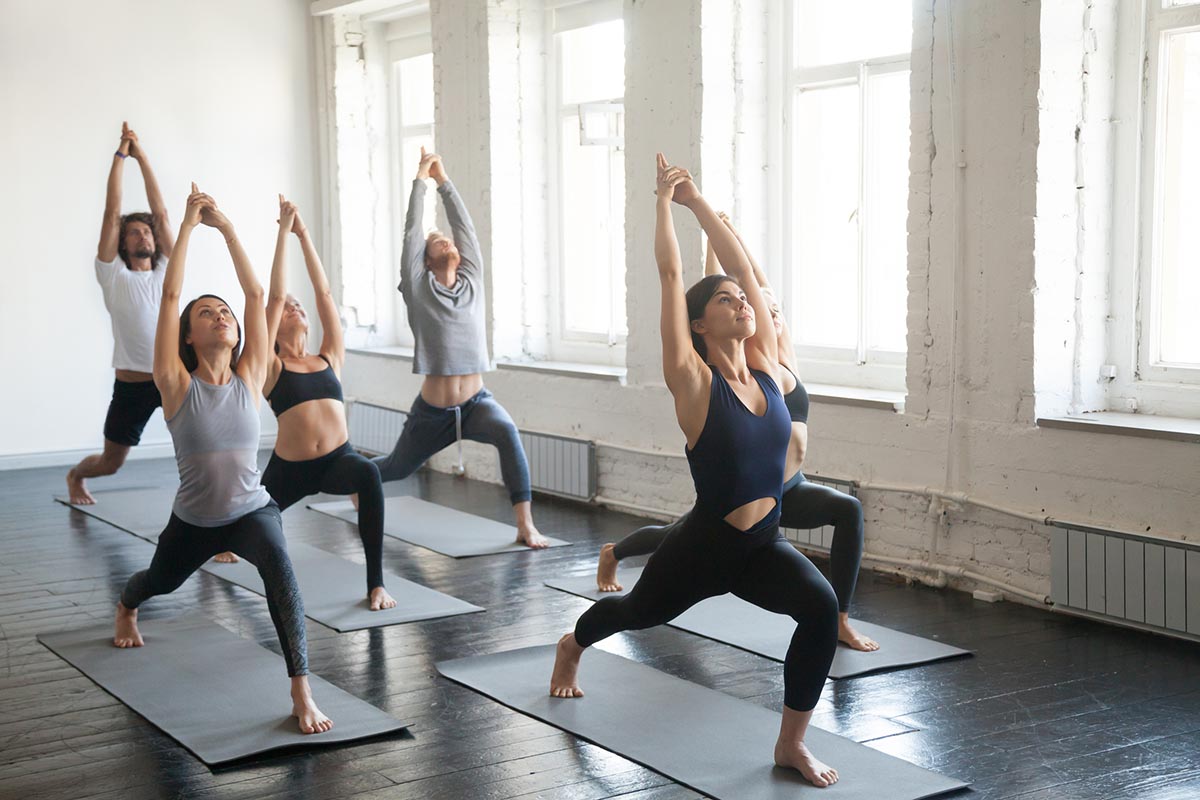
Observing the same movement in the animals made one think that it was an instinctive and natural attitude. Somehow necessary for living beings. This may have led over time to conscious applications of stretching to human movements. And at the birth of disciplines such as Yoga, Pilates, Antigravity that make stretching a fundamental component in their practice.
Dynamic stretching that provides the same type of movements but carried out in a controlled way. This method is recommended in sports programs where movements are expected at high speeds, because it affects the elasticity of muscles and tendons. The agonist muscle contracts quickly and tends to lengthen the antagonist muscle (the muscle that we want to lengthen). Thus, rebound movements are made with a certain speed.
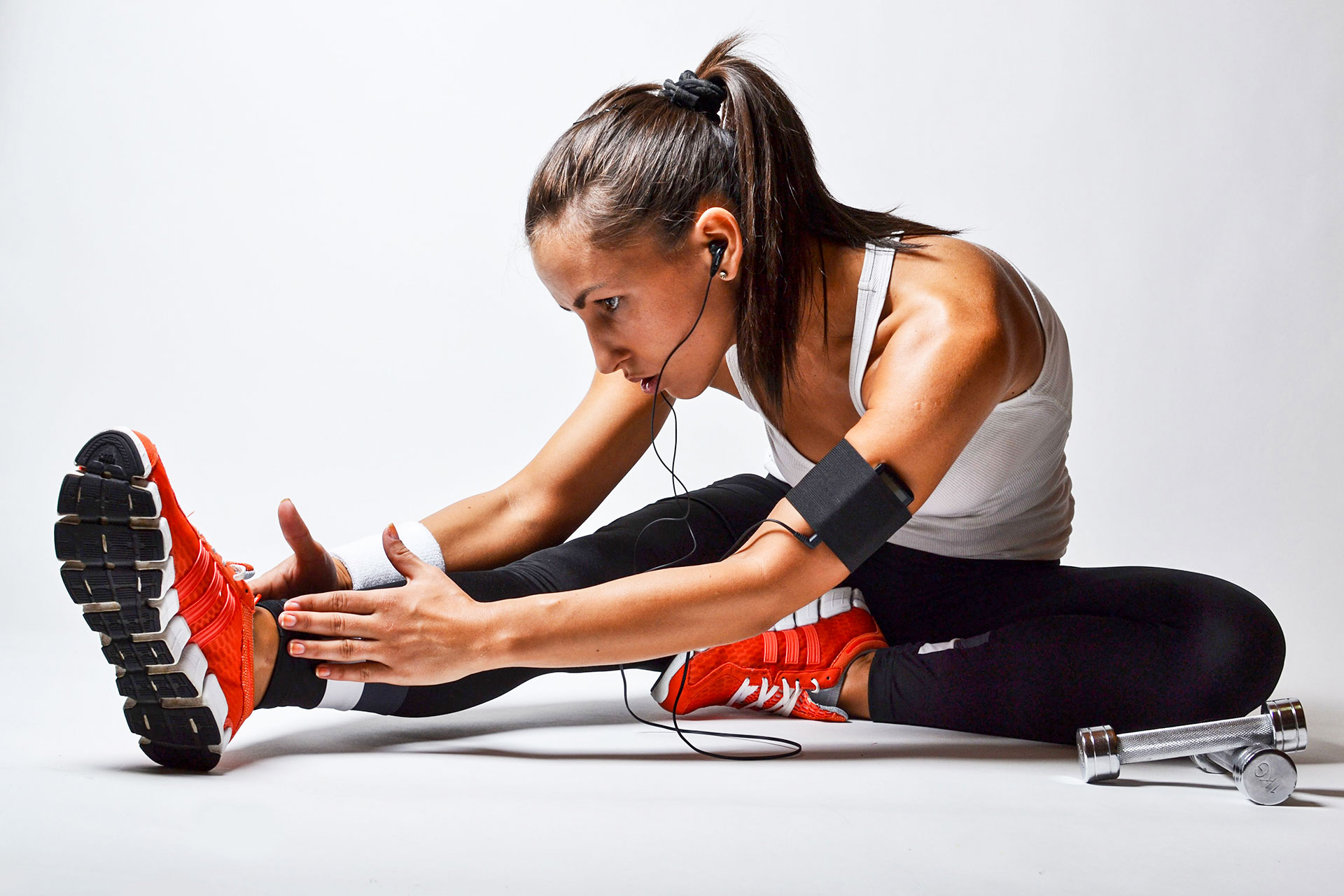
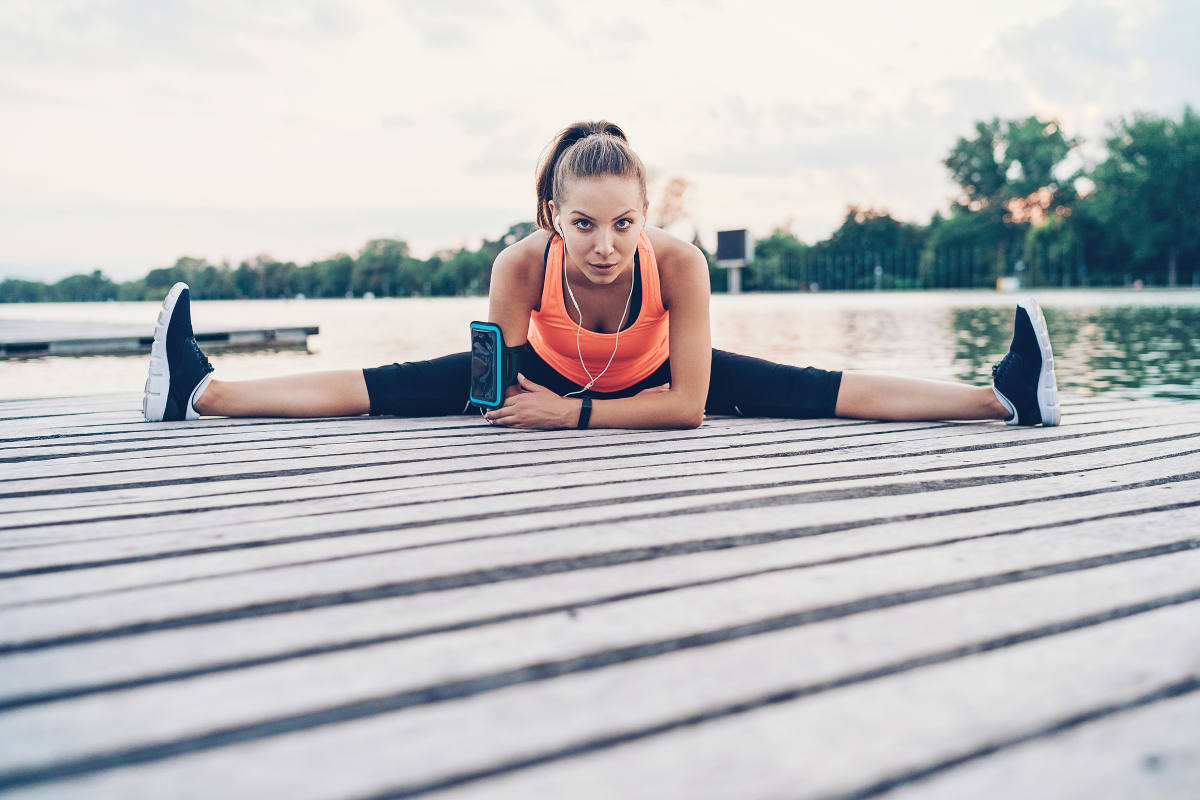
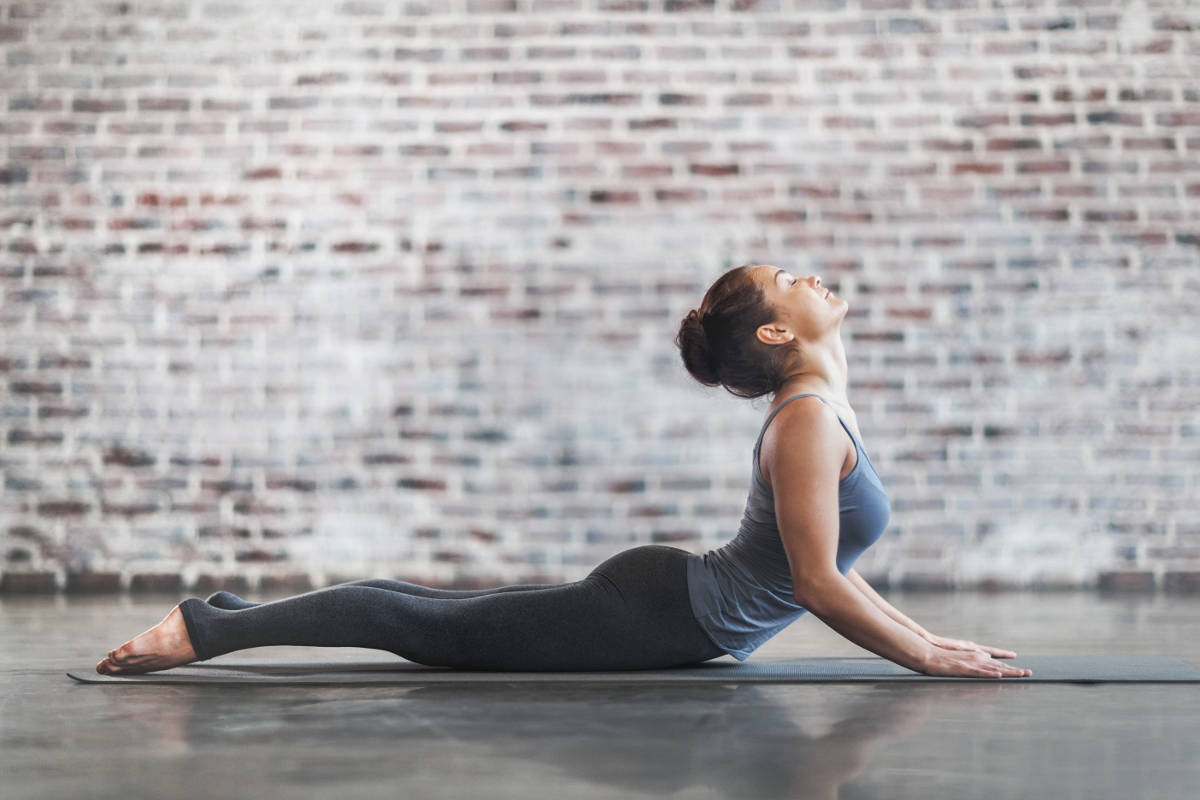
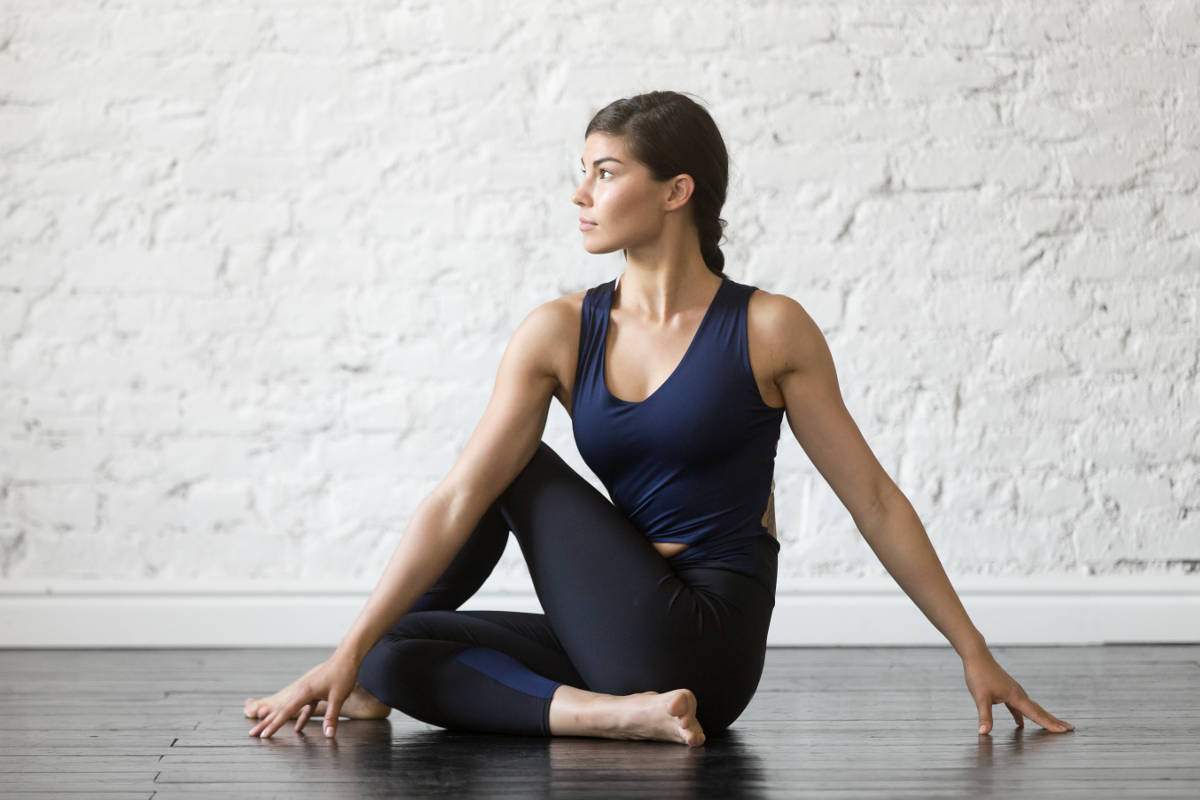
Static stretching. The best known stretching system is based on yoga and, with its positions and way of breathing, bases its practice on muscle stretching exercises. It consists in taking a certain position, which is different for each muscle or group of muscles. Then keep it for a few seconds (usually 15 to 30) to relax the muscle concerned. All this is done slowly so as not to stimulate the stretch reflex in the antagonist muscles.
Isometric stretching, the most sophisticated form, divided into several components (PNF, CRAC, CRS) which is only feasible after adequate preparation.
Stretching boutiques and a new growing training trend
Stretching boutiques respond to the market demand for a complementary fitness routine by offering a specialist with years of experience that “reads” the body movements like no other, without conflicting with other more popular activities like running, cycling, swimming etc.
It is therefore becoming stimulating for many to combine their fitness routine at the gym with a dedicated assisted stretching course. Typical clients are those that train up to five times per week and that consequently incur in muscle contraction, or athletes who need to recover from an injury. For them, a stretching session carried out with a specialised professional can be important.
FLEXability and the logical approach to stretching
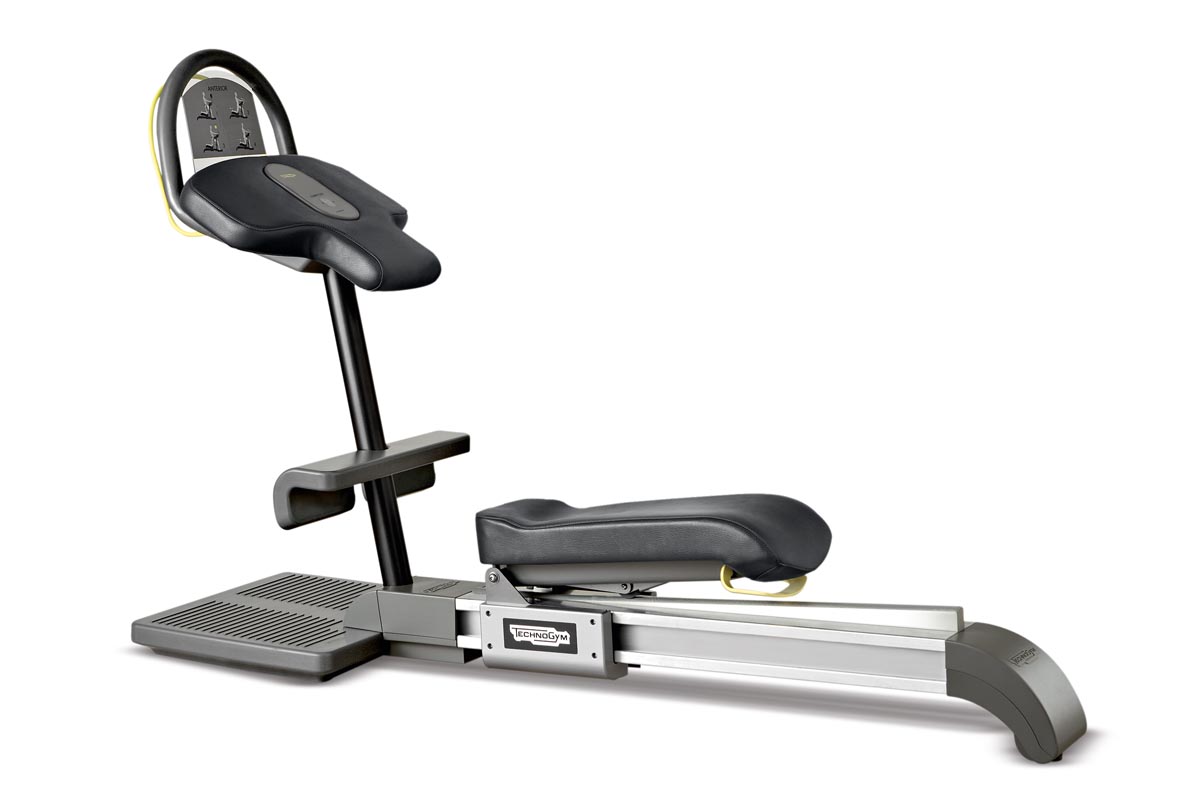
Thanks to the Selflex system, the muscles involved in the exercise are lengthened through a gradual and proportionate intervention, which avoids any potentially risky situations. The FLEXability line works on the main muscle group by stretching the shortest “link” of the muscle chain in a simple and effortless way. Compared to analytical stretching, which works on individual muscles, the FLEXability line maximises efficacy by reducing the duration of exercises.
Together with its revolutionary stretching equipment, Technogym also offers SKILLTOOLS for body stability and free body training. They are the perfect complement to any exercise aimed at improving body performance such as mobility, stability, power and strength, as well as coordination and neuromuscular control. With the Balance Pad and Balance Dome you can test your stability and develop coordination by adding a balance challenge to any exercise.
How to keep your joints young
Our body speaks about us, tells us how we treat it and how much we care about its well-being. It can tell of a life aimed at wellness or neglect and a limited motor mobility. Much depends on us. If not solicited and exercised, the body is forced, with the passage of time, to movements less and less loose and broad, to more sudden tiredness and the use of greater effort in all daily activities. The reduced muscular elasticity, the reduced capacity of coordination, the decrease of energy, the wear of the joints, in fact predispose the body to a faster aging. They must be combated with the aim of promoting the rejuvenation of the entire locomotor system.
Stretching involving muscles, tendons, bones and joints promotes a global improvement in movement. But also better joint lubrication, thus counteracting the aging of the cartilage and thus arthrosis. In fact, stretching keeps the joints “young”, slowing down the calcification of connective tissue. The stretching function is to stress the connective tissue (tendons, bands, etc.) present in the contractile structure, in addition to muscle fibers. The connective tissue is extensible (it can be lengthened), but if it is not regularly stressed with exercise, in a short time it loses this essential characteristic and ages.
When talking about stretching, it is also necessary to refer to joint mobility (also known as: articulation, flexibility, extensibility, etc.). This is the ability to perform large movements and at the most the physiological extension allowed by the joints. So here are the benefits, and not just the flexibility, that this activity offers to those who practice it:
- at the musculoskeletal level, stretching increases the elasticity of muscles and tendons, with an overall improvement in the ability to move;
- is an excellent form of prevention of muscle contractures. In some cases it reduces the feeling of fatigue and can prevent muscle and joint trauma;
- stretching exercises also help to decrease blood pressureby promoting circulation;
- stretching also reduces muscle tension and heart rate, so you can relax in one word.The important thing is to take comfortable postures, in which to breathe in a natural way. Good oxygenation will restore the balance of physiological functions and muscle tone, and therefore, will attenuate any state of tension in the body.
When taking incorrect positions for a long time, the contracted muscles start to shorten. Once back in the natural position, the shortened muscles put up resistance and hinder the normal realignment of the bone segments. By making your back, pelvis and leg muscles more flexible, you can more easily regain your correct posture and maintain it effortlessly.
When, where and who can practice it?
Given that flexibility can only be achieved through awareness of one’s own movement, the first step is control of the gesture. Therefore, it is important to be aware of a certain movement while it is taking place, avoiding acting automatically. In fact, the possibility of stretching the muscles is determined by the nervous system and its tolerance to a certain extension radius. If we take into account the messages of the nervous system, the benefits will be many and natural. However, we are talking about a sweet and basically simple activity that anyone can practice. Maybe without confronting others because this would probably lead to an altered perception of the pain threshold.
Some practical tips when you are preparing to practice this activity are:
- identify the muscle group to be stretched, look for a comfortable but effective position which, once reached, should be maintained for 15 to 30 seconds;
- that the elongation must not exceed the threshold of pain;
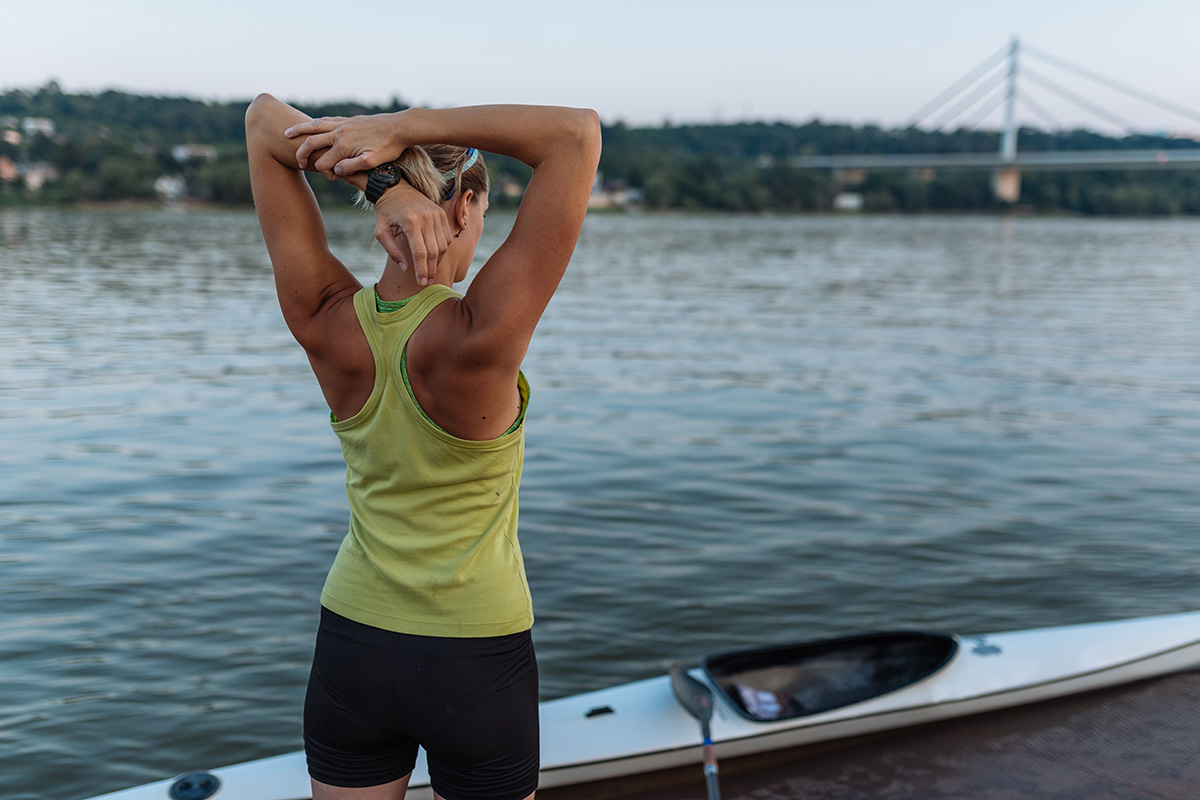
- before stretching, it is important that the muscle is warm. It would therefore seem more appropriate to dedicate oneself to stretching at the end of your workout, to help your body relax after your work session. But some authors suggest cold stretching to increase its effectiveness (especially at the connective tissue level);
- wear comfortable clothing, which allows very wide movements and without hindering breathing.